


Teeth can gradually shift after braces if retainers are not worn consistently. In many cases, clear aligners offer an effective, discreet solution for correcting mild to moderate relapse and restoring your smile.
Many people are surprised to notice their teeth moving months or even years after completing orthodontic treatment. Whether it’s a small gap reappearing or a front tooth becoming crooked again, post-braces shifting is more common than many realize. Fortunately, cosmetic dentistry in New Smyrna Beach, FL, offers modern solutions to address these concerns. Clear aligners can often correct teeth that have shifted after braces, helping patients regain a straighter smile without returning to traditional metal braces.
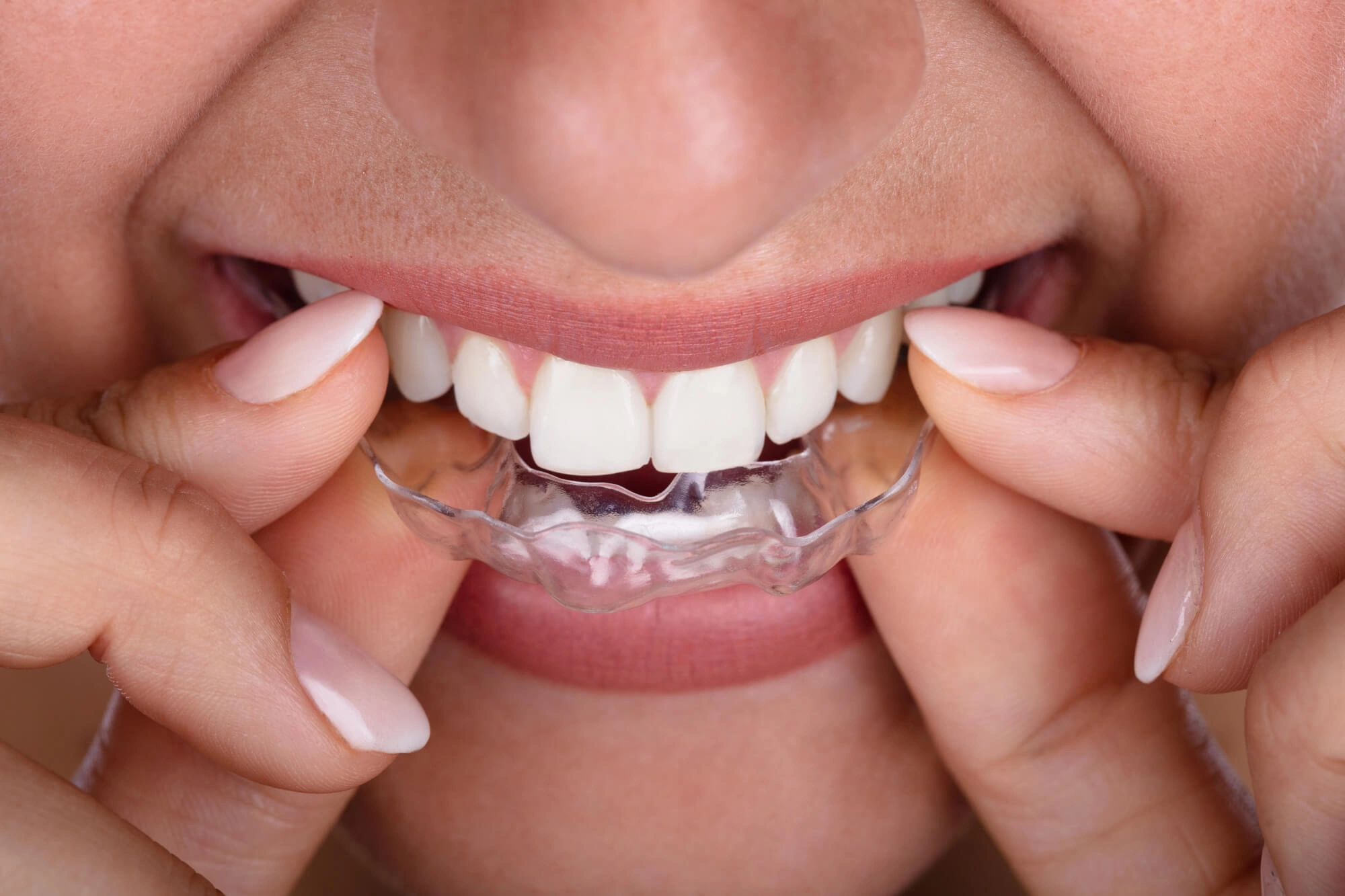
Braces successfully move teeth into better alignment, but they cannot permanently lock teeth into place. After treatment ends, the surrounding bone and tissues continue adapting, making teeth more likely to move if they are not properly maintained.
Several factors can contribute to teeth shifting after braces, including:
Even patients who followed every instruction during orthodontic treatment may experience minor movement years later. The good news is that early intervention often makes correction easier.
Orthodontic relapse refers to teeth gradually moving back toward their original positions after braces or aligner treatment.
Relapse may appear as:
The severity of relapse varies from person to person. Some people notice only slight movement, while others experience more significant changes that affect both appearance and function.
In many cases, yes.
Clear aligners are designed to apply gentle, controlled pressure that gradually guides teeth into improved positions. If your teeth have shifted after braces, your dentist will evaluate how much movement has occurred before determining whether clear aligners are the right treatment.
Many patients with mild or moderate orthodontic relapse are excellent candidates.
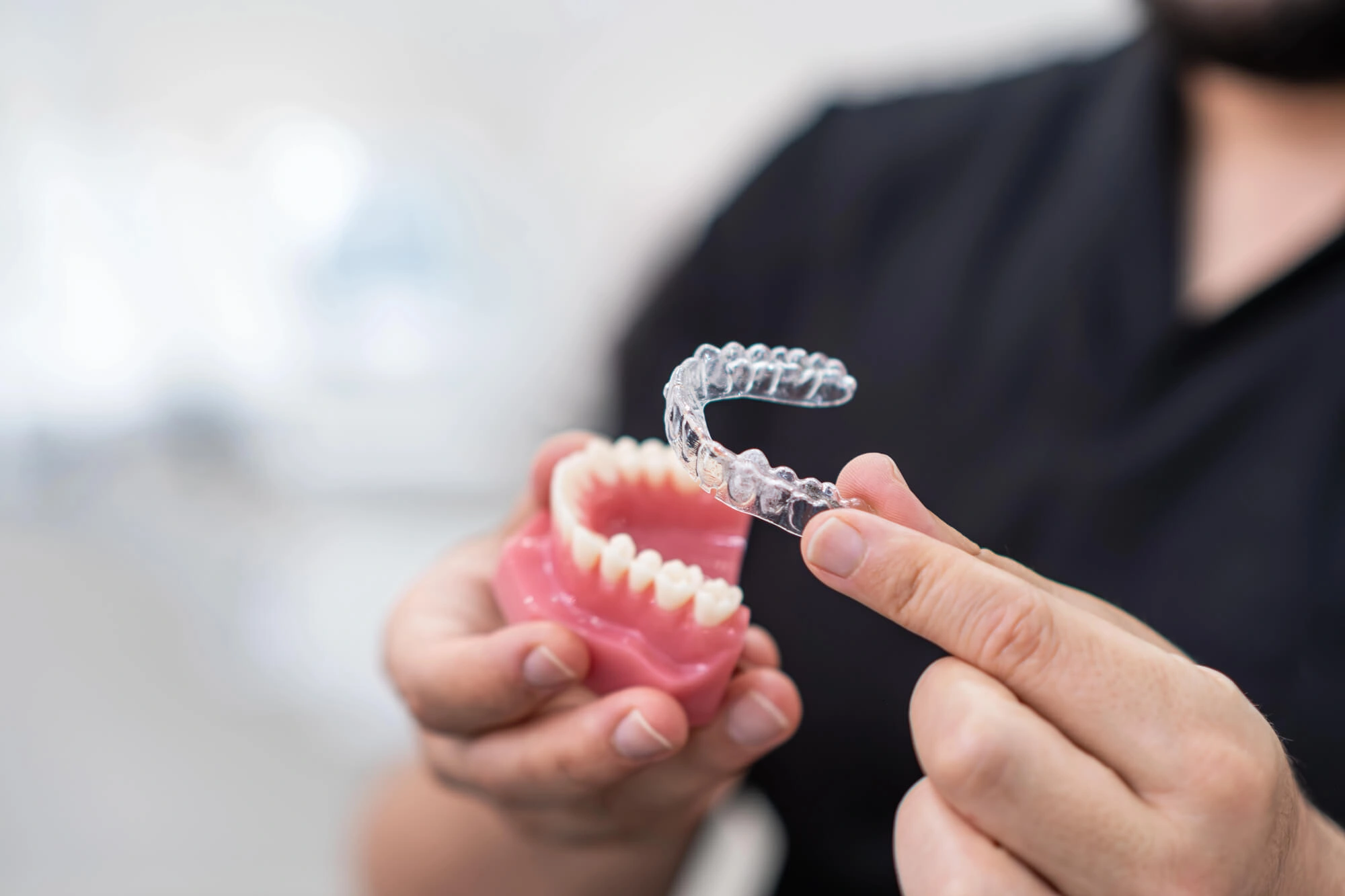
Treatment begins with a detailed examination and digital imaging of your teeth. Using advanced technology, your dentist creates a customized series of aligners specifically designed for your smile.
Each set is typically worn for one to two weeks before progressing to the next tray. As treatment continues, the aligners gradually reposition your teeth according to the personalized treatment plan.
Since the trays are removable, patients can continue eating their favorite foods and maintain their normal brushing and flossing routines with minimal disruption.
Clear aligners are commonly effective for correcting:
Because every smile is unique, a professional evaluation is essential before beginning treatment.
Although clear aligners work well for many patients, they are not the ideal solution for every situation.
More complex orthodontic problems may require traditional braces if there are:
Major overbites, underbites, or crossbites sometimes require more advanced orthodontic techniques.
Teeth that have rotated extensively may respond better to braces depending on their position.
If relapse has progressed significantly over many years, braces may provide greater control for complex corrections.
Your dentist will recommend the treatment that best matches your oral health, smile goals, and overall needs.
Many adults who previously wore braces appreciate that clear aligners offer a more discreet experience.
Some of the biggest advantages include:
The transparent trays blend naturally with your teeth, making them less noticeable during daily activities.
Because they are custom-made from smooth plastic, clear aligners generally cause less irritation than brackets and wires.
Patients simply remove the aligners before brushing and flossing, allowing them to clean every surface of their teeth effectively.
Unlike traditional braces, clear aligners can be removed before meals, so patients can continue enjoying many of their favorite foods.
Digital treatment planning allows patients to better understand how their smile is expected to improve throughout treatment.
Treatment time depends on how much the teeth have shifted.
For mild orthodontic relapse, some patients complete treatment in as little as several months. More moderate corrections may take longer.
Factors that influence treatment length include:
Most dentists recommend wearing clear aligners approximately 20 to 22 hours each day for the best results.
Following instructions carefully helps keep treatment progressing as planned.
Yes, they can.
Even after successful treatment, teeth naturally remain capable of moving throughout life.
This is why wearing retainers remains one of the most important parts of maintaining your new smile.
Retainers help stabilize the teeth while surrounding bone and tissues continue adapting. Your dentist will recommend a retainer schedule based on your individual treatment.
Consistent retainer use greatly reduces the risk of future relapse.
Protecting your investment starts with good long-term habits.
Consider these simple recommendations:
Early treatment of minor shifting is often easier than waiting until the problem becomes more severe.
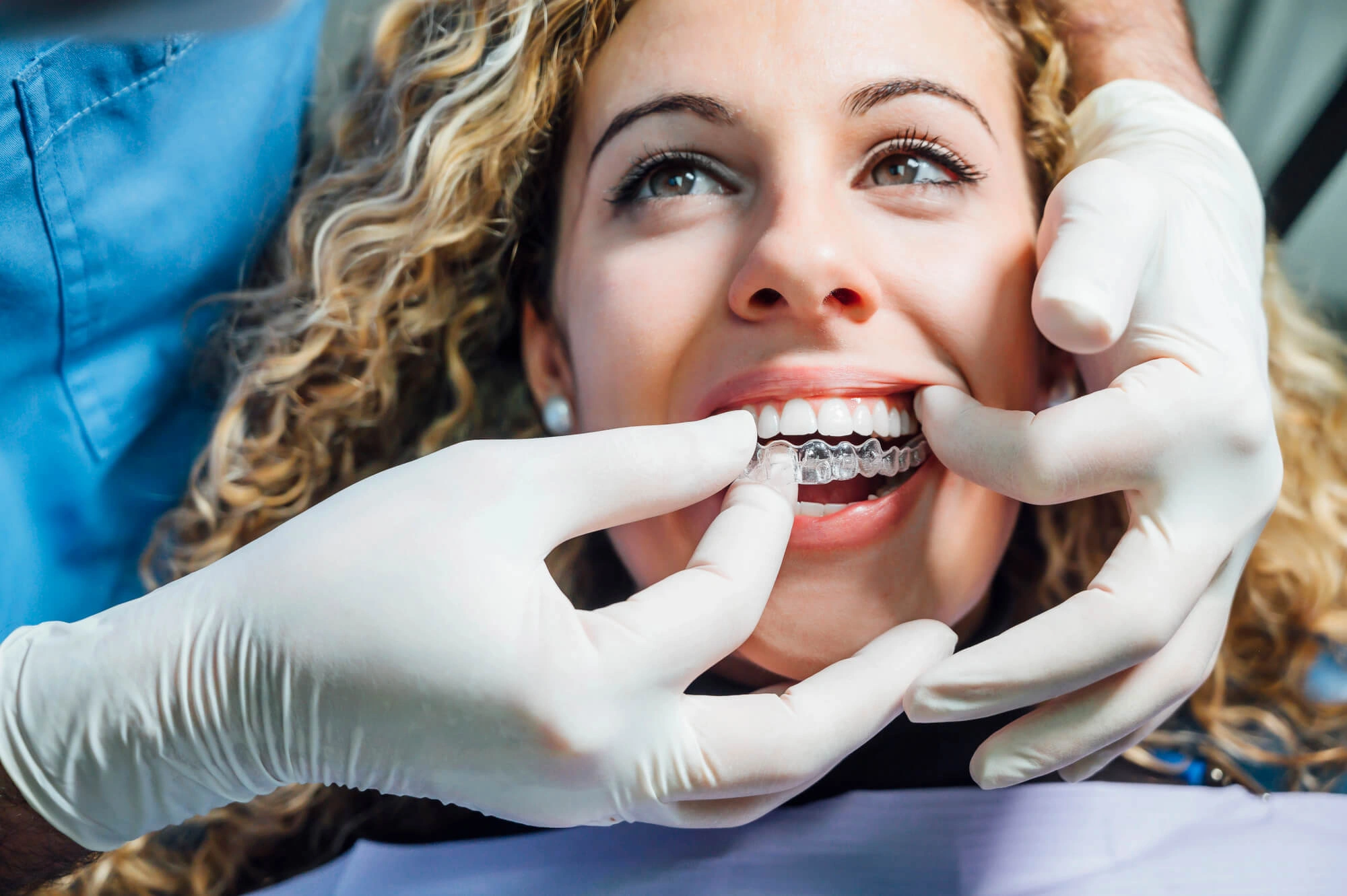
If you’ve noticed your teeth shifting after braces, you don’t necessarily have to start over with traditional orthodontic treatment. Clear aligners may provide a comfortable, discreet way to restore your smile while fitting easily into your daily routine. Every patient’s needs are different, so a comprehensive evaluation is the best way to determine the most effective treatment plan. The experienced team at Atlantic Dental Associates can assess your smile, discuss your goals, and recommend personalized solutions to help you regain confidence in your teeth. Schedule a consultation today to learn whether clear aligners are the right choice for you.