


Most people have heard that they should visit the dentist every six months. While that schedule works well for many patients, dental care is not necessarily one-size-fits-all. Your age, oral health, dental history, daily habits, and risk of developing dental problems can influence how often you should schedule an appointment.
If you are searching for a dentist in New Smyrna Beach, FL, understanding your ideal dental visit schedule can help you stay proactive about your smile rather than waiting until discomfort appears.
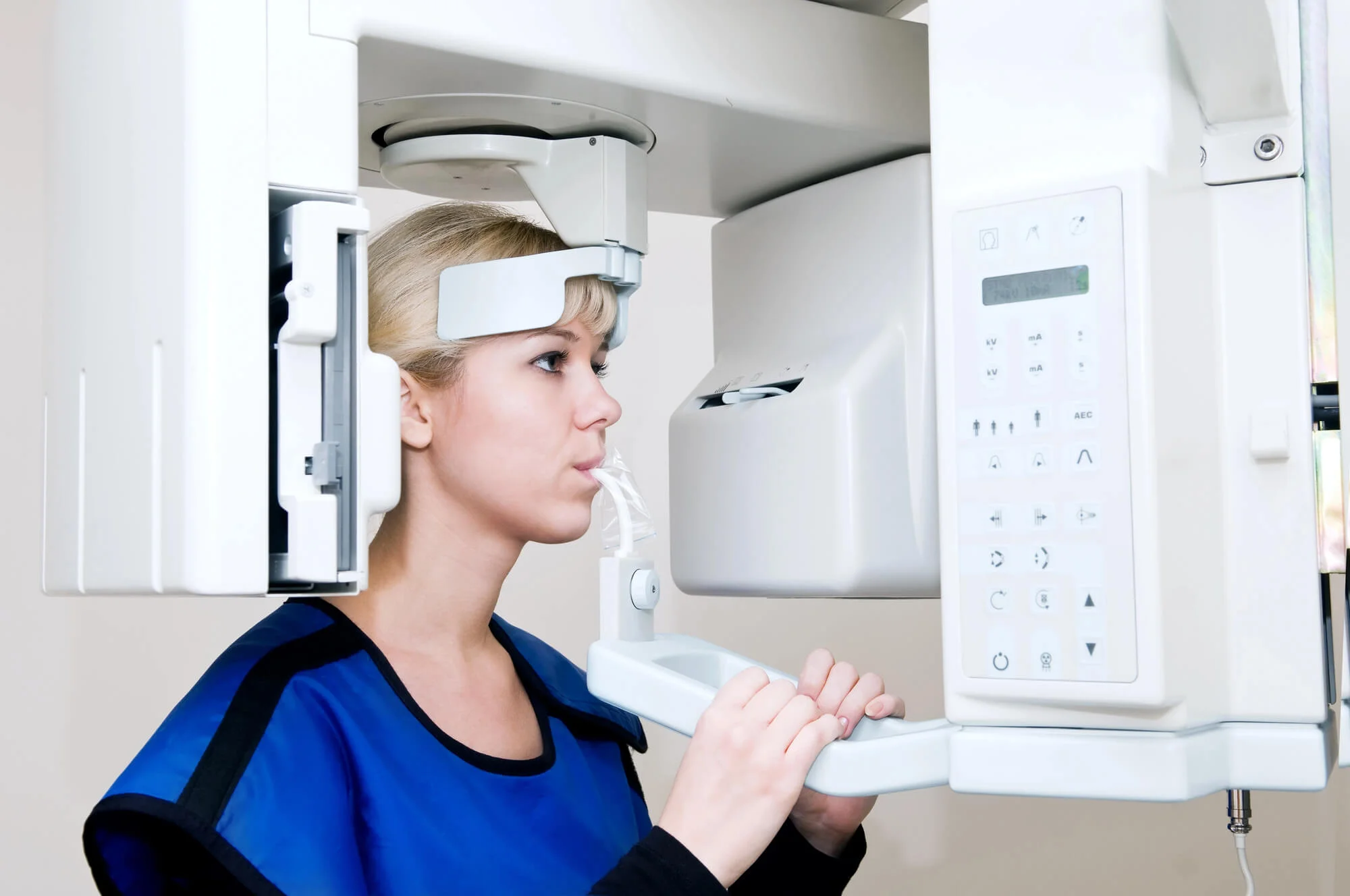
Many patients benefit from visiting the dentist twice a year. However, your dentist may recommend a different schedule based on your individual needs. Someone with excellent oral health may have different needs than a patient with gum disease, frequent cavities, dental restorations, or other concerns.
The goal is not simply to follow a calendar. It is to create a preventive care routine that supports your oral health over time.
A six-month schedule gives your dental team regular opportunities to examine your mouth and professionally clean areas that can be difficult to reach at home. Even with consistent brushing and flossing, plaque can accumulate and eventually harden into tartar.
Routine visits can also help identify early signs of cavities, gum inflammation, damaged restorations, enamel wear, and other changes.
Not everyone should automatically wait six months between appointments. Your dentist may recommend visits every three or four months if you have certain oral health risks.
More frequent appointments may be helpful for people with:
Routine appointments typically combine preventive care with an evaluation of your current oral health. A professional cleaning removes plaque and tartar, including buildup in areas that may be challenging to clean effectively at home.
Your dental team may examine your teeth, gums, bite, and existing dental work. Depending on your needs and history, dental X-rays may be recommended periodically to identify concerns that cannot be seen during a visual examination.
These visits are also a good time to mention tooth sensitivity, bleeding gums, jaw discomfort, persistent bad breath, or changes in how your bite feels.
Missing an occasional appointment does not automatically mean you will develop a serious problem. Repeatedly postponing preventive care, though, can allow small concerns to progress unnoticed.
Plaque and tartar may continue accumulating around the teeth and gumline. Early cavities can grow larger. Gum inflammation may become harder to manage. Existing fillings, crowns, and other dental work can also develop problems.
Waiting until pain occurs before scheduling dental care is not ideal, as discomfort may appear after a condition has progressed. Routine visits give your dental team more opportunities to identify changes before they begin interfering with your daily life.
Dental visits are only one part of maintaining a healthy smile. What you do each day has a significant impact on your oral health.
Brush twice daily using fluoride toothpaste and clean between your teeth with floss or another dentist-recommended interdental cleaner. Pay attention to your gums. Persistent bleeding, tenderness, swelling, or recession should be discussed with your dental team.
Limiting frequent sugary snacks and drinks can also reduce your risk of tooth decay.

The schedule that works for you today may not be the same schedule you need several years from now. Oral health can change with age, lifestyle, medications, dental treatments, and overall health.
Someone who previously visited every six months may temporarily need more frequent appointments after developing gum problems. Patients receiving certain dental treatments may also need additional monitoring.
Knowing what to expect from preventive dental care can make it easier to maintain a schedule that works for your smile. Here are answers to five common questions about routine appointments.
Yes. Routine dental visits remain important even when your teeth feel completely normal. Cavities, early gum disease, and other oral health concerns can develop without immediate pain. An examination can identify subtle changes you may not notice at home. Professional cleanings also remove hardened tartar that regular brushing cannot eliminate. Feeling good is a positive sign, but preventive care helps you maintain that healthy feeling.
For some people, annual visits may be appropriate, but your schedule should be based on your individual oral health. Many patients benefit from more frequent preventive visits. Your cavity history, gum health, hygiene habits, age, and other factors can affect the recommended frequency.
Children commonly benefit from dental visits about every six months, though their dentist may recommend a different schedule. Regular appointments allow the dental team to monitor developing teeth, check for cavities, reinforce good brushing habits, and watch changes in the child’s bite.
Yes. You should not wait until your next routine appointment if you develop a dental problem. Persistent tooth pain, swelling, a cracked or broken tooth, bleeding gums, or unusual sensitivity may need attention. Contacting your dental office allows the team to determine whether you should be evaluated sooner.
Good oral hygiene is essential, but it does not replace professional dental care. Your toothbrush and floss control plaque daily, while professional cleanings remove buildup that may remain in difficult areas or harden into tartar. Dental examinations also allow your dentist to check for problems you cannot easily detect yourself.

For many people, twice-yearly visits provide a strong foundation for preventive dental care. Your ideal schedule may be different depending on your teeth, gums, dental history, and individual risk factors.
Regular appointments help you stay ahead of dental problems, maintain a cleaner smile, and receive personalized recommendations for your oral health. Combining professional care with consistent brushing, flossing, and healthy daily habits can make a meaningful difference over time.
If it has been a while since your last dental appointment, or you are unsure how often to schedule preventive care, Atlantic Family Dentistry is ready to help. Contact Atlantic Family Dentistry today to schedule your next visit with a dentist in New Smyrna Beach, FL, and take a proactive step toward keeping your smile healthy.