


A brighter, more balanced smile can make a noticeable difference in how you feel about your appearance. The challenge is knowing which treatment can help you achieve the results you want. Teeth whitening may be ideal for discoloration, while veneers, bonding, crowns, or clear aligners may be better for other concerns. If you are considering visiting a cosmetic dentist in Edgewater, learning about your options is a helpful first step toward making a confident decision.
Cosmetic dentistry is not about choosing the most dramatic treatment. The right option depends on what you would like to change, the condition of your teeth and gums, your budget, and your long-term expectations. A personalized evaluation can help match your goals with treatment that makes sense for your smile.

Every smile is different. Two people may dislike the appearance of their front teeth yet benefit from completely different treatments. One may only need professional whitening, while another may need veneers or bonding to address shape, spacing, or damage.
Before choosing a procedure, think about the specific features of your smile you would like to improve. This gives you a clearer starting point when discussing your options with a dentist.
Take a close look at your smile and consider what bothers you most. You do not need to know which dental procedure you want before scheduling a consultation. Knowing your desired outcome is often more useful.
Common cosmetic concerns include:
You may have one concern or several. A cosmetic treatment plan can sometimes combine procedures to address multiple issues while creating a natural-looking result.
Professional teeth whitening is one of the simplest options for patients who are generally happy with their teeth but want a brighter smile. Coffee, tea, certain foods, tobacco, and natural aging can gradually change tooth color.
Professional whitening is designed to reduce many common surface stains and discoloration. It may be a good choice if your main concern is color rather than tooth shape, position, or damage.
Not every type of discoloration responds to whitening in the same way. Existing crowns, fillings, and veneers also do not whiten like natural enamel. A dental evaluation can help determine whether whitening is likely to produce the result you want.
Dental bonding can be a practical solution for relatively minor imperfections. Tooth-colored composite material is carefully applied and shaped to improve the appearance of a tooth.
Bonding may be considered for small chips, minor gaps, irregular edges, or teeth that appear slightly uneven. The procedure typically requires less alteration to the natural tooth than some other cosmetic treatments.
Bonding is not necessarily the best solution for every concern. The material can stain or wear over time, so your dentist can help you compare its advantages with longer-lasting alternatives.
If you want to change several aspects of your smile at once, porcelain veneers may be worth discussing. Veneers are thin restorations placed over the visible surfaces of selected teeth to modify their color, shape, size, or overall appearance.
They can address several concerns, such as discoloration that does not respond well to whitening, small gaps, worn edges, minor chips, or uneven tooth proportions.
Veneers require careful planning because they are a long-term dental treatment. Your dentist will evaluate your enamel, bite, gum health, and cosmetic goals before determining whether they are appropriate for you.
Sometimes the appearance of a smile is affected more by tooth position than tooth color or shape. Clear aligner treatment may be an option for certain spacing, crowding, and alignment concerns.
Clear aligners gradually move teeth using a planned series of removable trays. Since the trays are discreet, many adults appreciate being able to improve their alignment without traditional metal braces.
Treatment requires consistency. Aligners generally need to be worn for the recommended amount of time each day to keep tooth movement on schedule. A dental evaluation can determine whether your alignment concerns can be treated effectively with clear aligners.
Cosmetic concerns sometimes overlap with restorative needs. A tooth that is heavily worn, cracked, weakened, or significantly damaged may need more support than whitening, bonding, or a veneer can provide.
A dental crown covers the visible portion of a tooth and can restore its shape, size, appearance, and function. Modern tooth-colored crowns are designed to blend naturally with surrounding teeth.
Your dentist may recommend a crown when protecting the tooth is just as important as improving its appearance. This approach can address both structural and aesthetic concerns in one treatment.
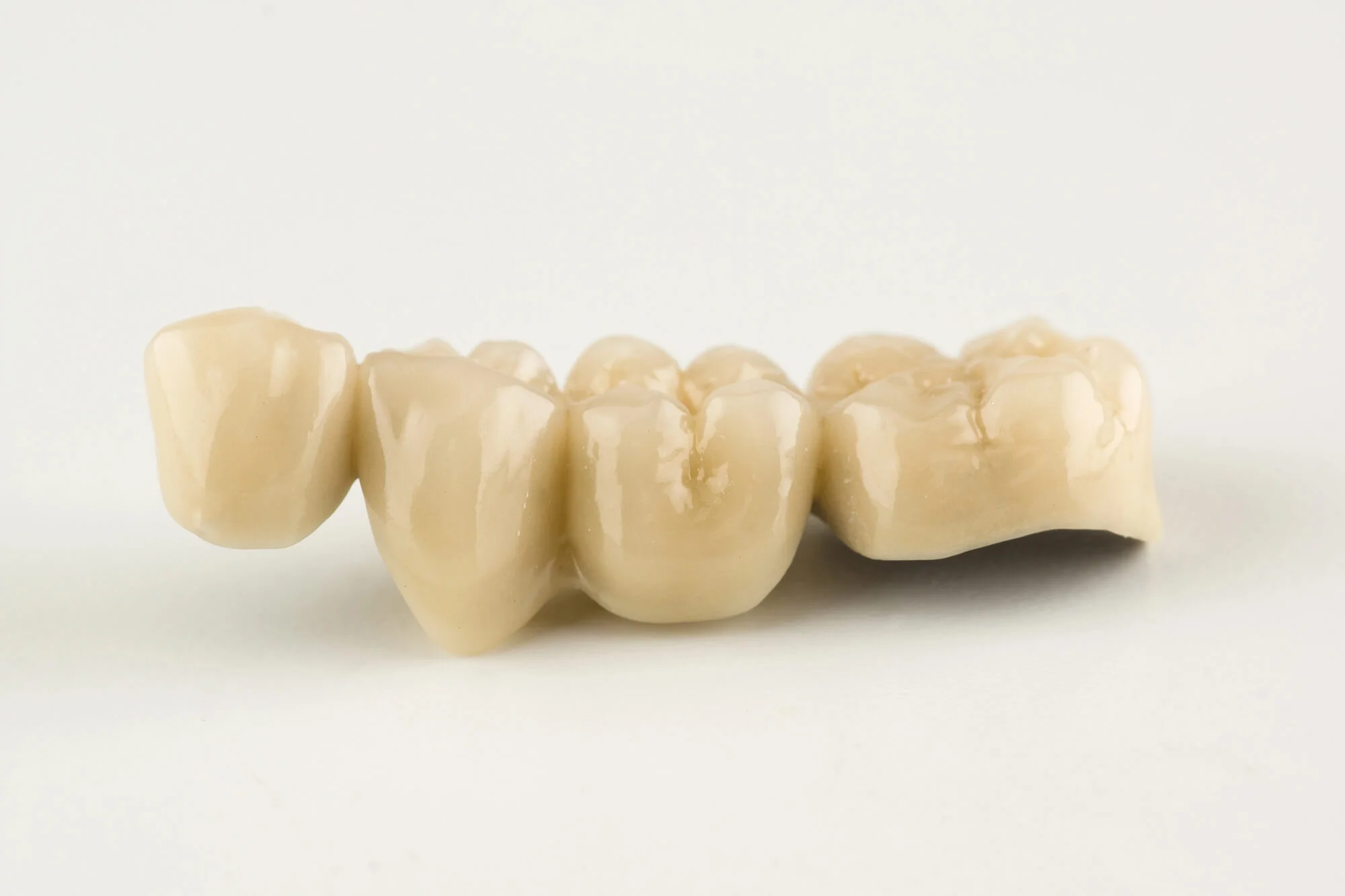
When several treatments could improve your smile, carefully comparing them can help you make a more informed choice. Cosmetic dentistry should fit your needs rather than follow a trend.
Consider factors such as:
Ask your dentist to explain why a particular treatment is recommended and whether alternatives are available. Understanding the benefits and limitations of each option can help you feel comfortable with your decision.
Healthy teeth and gums provide the foundation for successful cosmetic dentistry. If you have untreated cavities, active gum disease, infection, or another oral health concern, those issues may need attention before beginning elective cosmetic treatment.
This does not mean your smile goals need to be abandoned. Addressing underlying dental problems first can create a healthier foundation for cosmetic improvements and may help your results last longer.
A comprehensive examination allows your dentist to evaluate more than appearance. Your bite, enamel, gums, existing restorations, and overall dental health can all influence which cosmetic procedures are appropriate.
Cosmetic dentistry can range from subtle improvements to a more noticeable smile transformation. Knowing which direction you prefer can help guide your treatment plan.
Some patients want their teeth to look a little brighter. Others want to address several concerns involving color, shape, spacing, and alignment. Neither approach is better. The goal is to create a result that feels right for you.
Bring photos or examples to your consultation if they help explain what you like. Your dentist can discuss what is realistic for your teeth while helping you maintain a natural appearance that complements your facial features.
Your cosmetic treatment does not end when you leave the dental office. Different procedures have different maintenance requirements and expected lifespans.
Whitening, for example, may require occasional touch-ups as new stains develop. Bonding can require polishing, repair, or replacement over time. Veneers and crowns are durable restorations, but they still require good oral hygiene and regular dental visits.
Habits matter, too. Biting hard objects, chewing ice, grinding your teeth, and using your teeth to open packages can damage natural teeth and restorations.
Before starting treatment, ask what you can do to protect your results. Understanding long-term care can help you choose an option that fits comfortably into your lifestyle.
Online research can help you understand cosmetic dentistry, but it cannot tell you exactly which treatment your teeth need. An in-person evaluation allows your dentist to examine your smile and hear what you hope to achieve.
You can discuss which concerns are most important, how quickly you would like to see results, and whether you prefer a conservative change or a more comprehensive transformation.
You should also feel comfortable asking questions. Understanding the treatment process, expected results, recovery, maintenance, and alternatives can make your decision much easier.

Choosing a cosmetic dental treatment becomes easier when you start with your goals rather than a specific procedure. Whitening may brighten stained teeth; bonding can address minor imperfections; veneers can address several cosmetic concerns; and clear aligners may improve tooth positioning. Crowns can restore teeth that need both aesthetic and structural improvement.
The best approach is the one designed around your oral health, preferences, and expectations. A personalized consultation can help you understand which options are suitable and create a plan that feels comfortable for you.
If you are ready to explore ways to improve your smile, contact Atlantic Family Dentistry today. Schedule a consultation with a cosmetic dentist in Edgewater and discover which treatment options can help you move toward a smile you feel confident sharing.