


If you’re missing one or more teeth, you’ve probably wondered if dental implants could be the right solution. Implants are often seen as the gold standard for tooth replacement because they look natural, feel secure, and help protect long-term oral health. Still, many patients have the same question at the start: Can anyone get dental implants?
The answer is encouraging. Most adults are good candidates, and even those with bone loss or health concerns may still have options. If you’re researching dental implants in New Smyrna Beach, understanding candidacy and bone health can help you feel more confident about your next step.
This guide will walk you through what makes someone a good implant candidate, how bone health matters, and what solutions exist when extra support is needed.
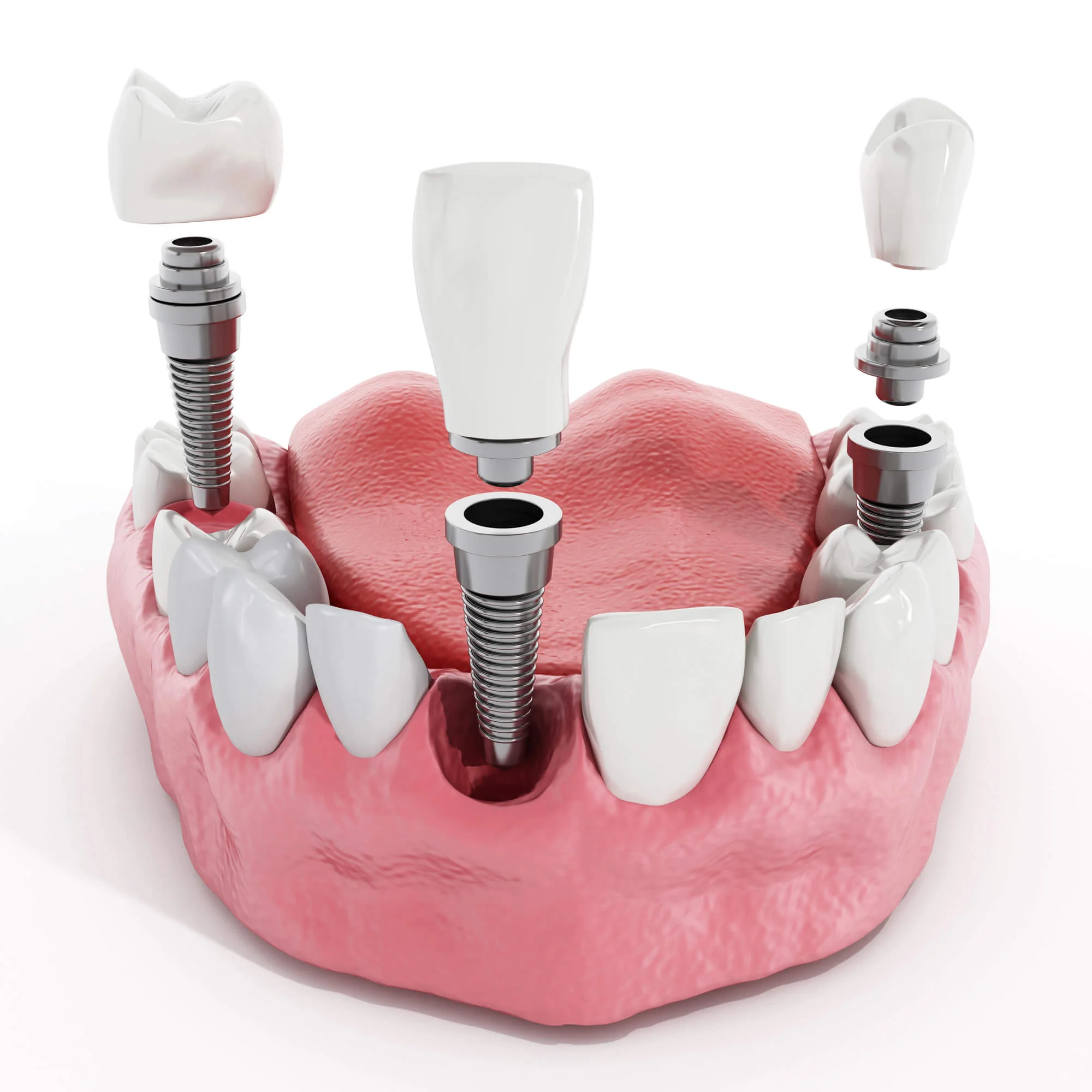
Dental implants are small titanium posts placed in the jawbone to support a replacement tooth or bridge. Because they rely on bone stability, candidacy involves more than just having a missing tooth. Your overall health, gum condition, and jawbone density all play a role.
Implants work differently than dentures or traditional bridges. They replace the tooth root, not just the visible crown. That means they provide strong support and help prevent bone shrinkage over time.
Many patients choose implants because they offer:
Implants can be used for a single tooth, multiple teeth, or even full-arch restoration.
Most healthy adults with missing teeth can qualify for dental implants. Dentists look at a few key factors, including gum health, bone strength, and lifestyle habits.
Common Signs You May Be a Good Candidate
Age alone is rarely a barrier. Many older adults successfully receive implants.
Jawbone density is important because implants need a strong foundation. After a tooth is lost, the bone in that area begins to shrink. This happens because the tooth root is no longer stimulating the bone through chewing.
Bone loss can affect implant placement, especially if the tooth has been missing for years.
That doesn’t mean implants aren’t possible. It simply means additional planning may be needed.
Before implant treatment, your dentist will take detailed imaging, often using 3D scans. This helps measure the height, width, and quality of your jawbone.
A full evaluation may include:
This step ensures implants are placed safely and successfully.
Bone loss is common, especially for patients who have worn dentures or had missing teeth for a long time. The good news is that modern dentistry offers solutions.
Options may include bone grafting or implant techniques designed for reduced bone volume.
Many patients who think they are not candidates discover they still have excellent possibilities.
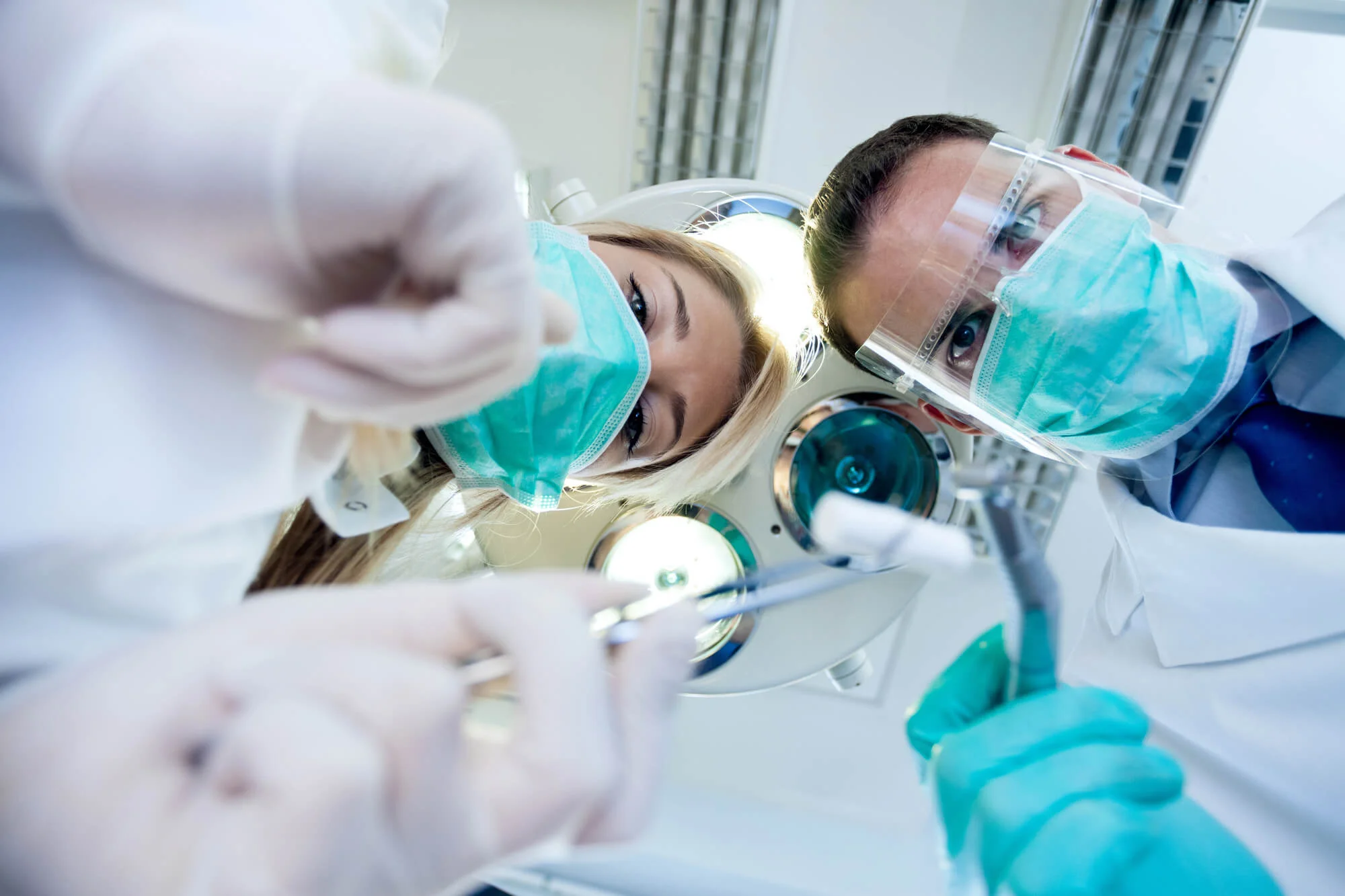
Bone grafting adds volume to areas where bone has thinned. Over time, the graft integrates with your natural bone, creating a stronger base for implants.
This process may be recommended if:
Healing takes time, but it can significantly expand candidacy.
Healthy gums are just as important as strong bone. Gum disease can weaken the tissues that support implants and increase the risk of complications.
If gum disease is present, it must be treated before implant placement.
Good oral hygiene and regular dental visits help protect both implants and natural teeth.
Certain health conditions can influence healing. Diabetes, autoimmune disorders, and osteoporosis may require extra monitoring, but they do not automatically disqualify you.
Your dentist will review your medical history and coordinate care if needed.
Factors That May Require Extra Planning
With proper management, many patients in these categories still receive successful implants.
Implants require a healing period called osseointegration, when the implant fuses with the jawbone. Healthy habits improve this process.
Helpful steps include:
Commitment to care plays a major role in long-term success.
While most people can qualify, implants may not be ideal in rare cases where healing is severely compromised. A personalized consultation is the best way to find out.
Even if implants aren’t the right choice immediately, alternative treatments or preparatory steps may make them possible later.
The goal is always to find the safest, most effective path for your smile.
Choosing a trusted dental team matters. A local provider understands your needs and can offer long-term support throughout the implant process.
Patients exploring dental implants want clear answers, realistic expectations, and compassionate guidance.
A thorough evaluation removes uncertainty and helps you move forward with confidence.
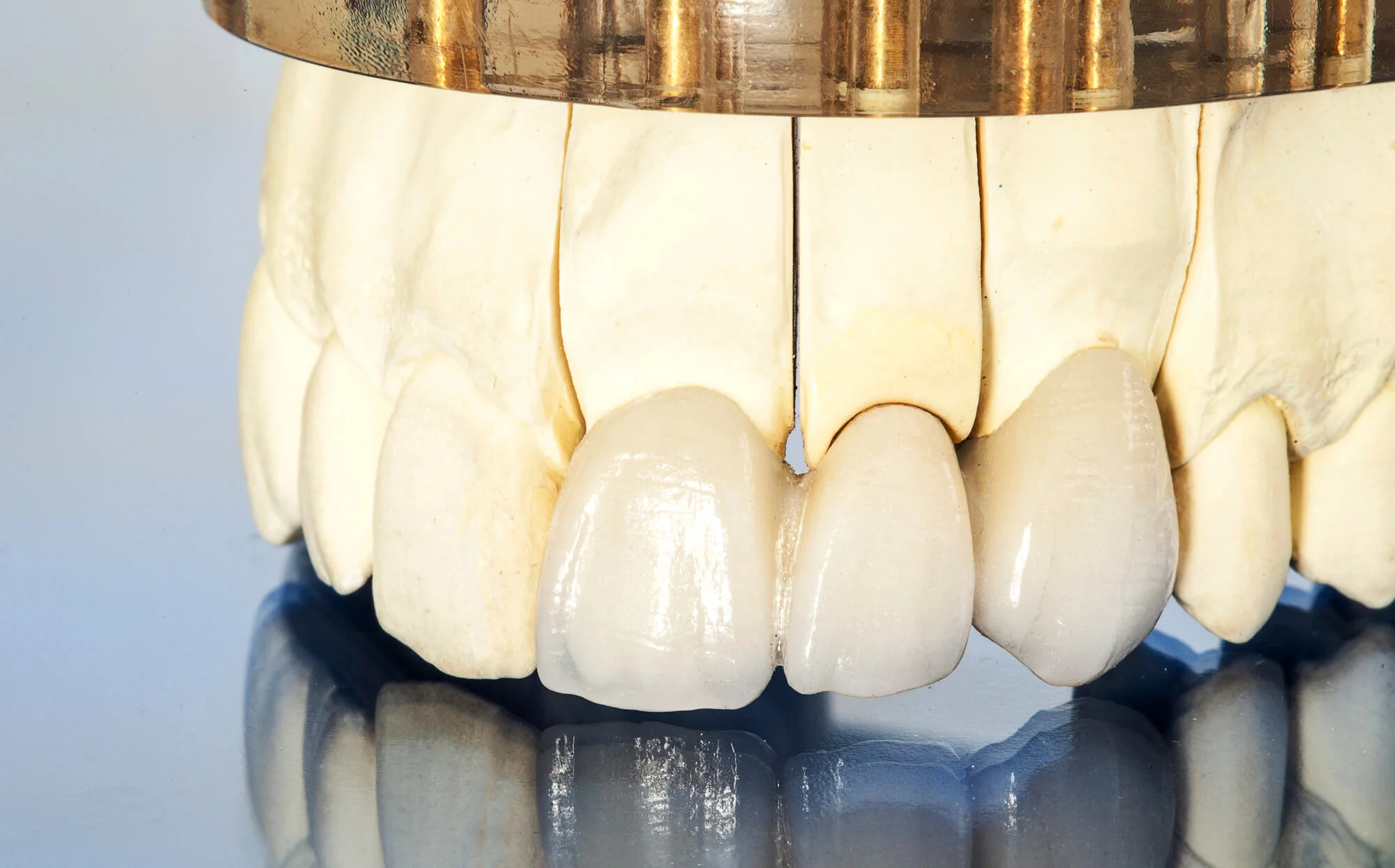
So, can anyone get dental implants? For most adults, the answer is yes. Even patients with bone loss or health concerns often have options with today’s advanced techniques. Bone health plays an important role, but it doesn’t have to be a roadblock.
If you’re considering dental implants in New Smyrna Beach, the best next step is a professional consultation to explore your candidacy and create a personalized plan.
The team at Atlantic Family Dentistry is here to help you restore your smile with comfort, clarity, and expert care. Contact Atlantic Family Dentistry today to schedule your implant consultation and learn what’s possible for your oral health.

Atlantic Family Dentistry
Enter to win a $300 Buc‑ee’s gift card!
Questions? Ask our team or call (386) 426-2191.
Ways to enter:
Questions? Ask our team or call (386) 426-2191.