


Sedation dentistry is not a one-size-fits-all solution. Depending on your dental needs, medical history, and comfort level, your dentist can recommend an appropriate type of sedation to help you feel relaxed during treatment.
Feeling nervous about a dental appointment is more common than many people realize. While some patients experience mild anxiety, others avoid the dentist altogether because of fear, sensitive gag reflexes, or concerns about discomfort. Fortunately, sedation dentistry in New Smyrna Beach, FL, offers several options that can make dental care more comfortable and less stressful. But can you actually choose your level of sedation? The answer is yes—to an extent. Your preferences matter, but your dentist will also consider your overall health, the type of procedure you’re having, and what level of sedation is both safe and effective for your situation.
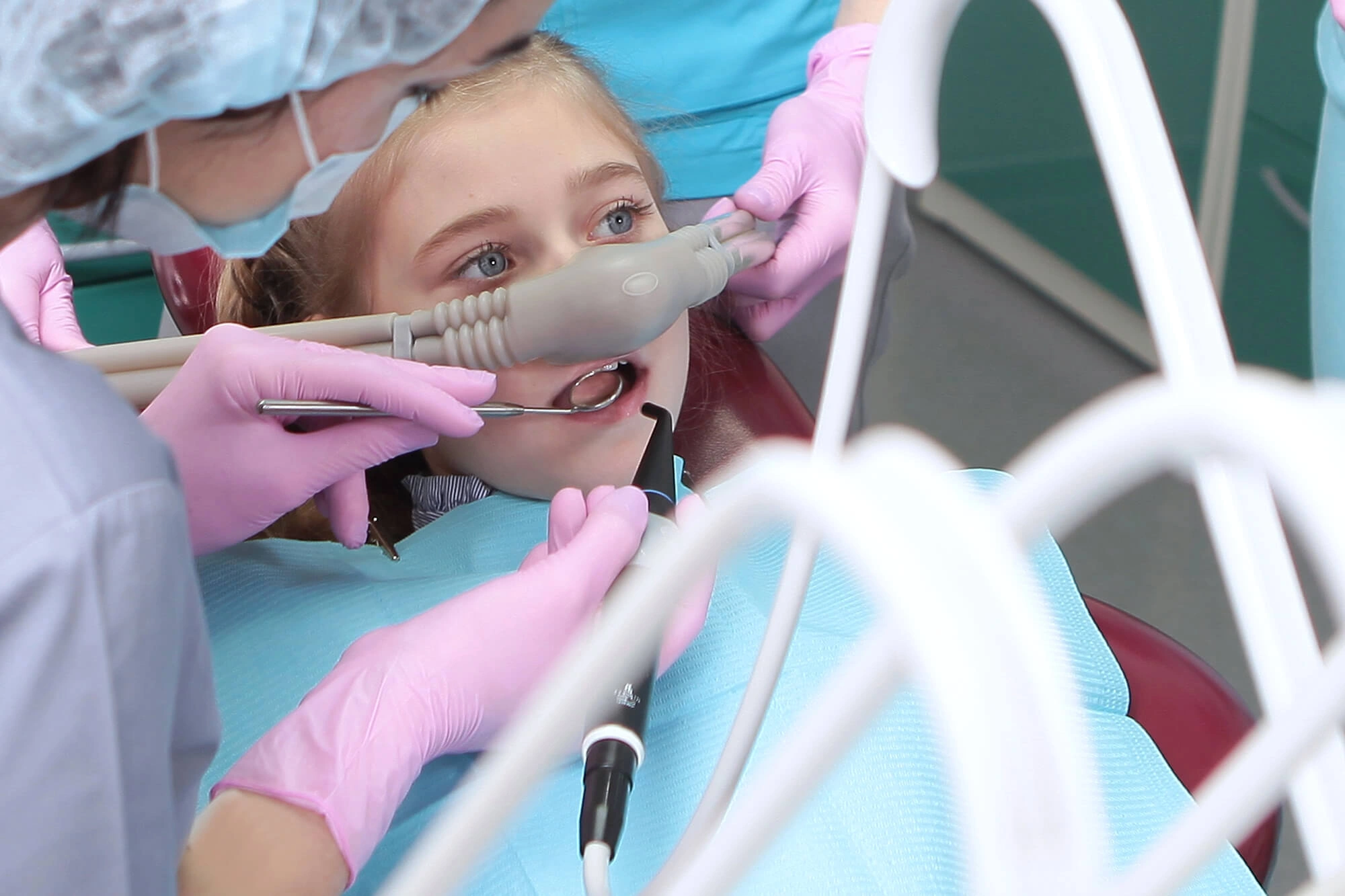
Sedation dentistry uses medications to help patients feel calm and comfortable before and during dental procedures. Depending on the type of sedation used, patients may remain fully awake, feel deeply relaxed, or have little memory of the appointment afterward.
The goal is not always to make you sleep. In fact, many forms of sedation allow patients to stay conscious and respond to instructions while feeling much less anxious.
Your dentist will discuss your medical history, medications, allergies, and treatment goals before recommending the most appropriate option.
People choose sedation dentistry for many different reasons, including:
Every patient is different, which is why personalized treatment planning is so important.
Not every dental appointment requires the same level of sedation. Some patients only need mild relaxation, while others benefit from deeper levels depending on the complexity of treatment.
Minimal sedation helps patients stay calm while remaining fully awake and aware of their surroundings.
Patients can:
This option may be appropriate for routine procedures or patients with mild dental anxiety.
Moderate sedation creates a deeper sense of relaxation. Patients remain conscious but often remember very little about the procedure afterward.
Many people describe feeling drowsy, comfortable, and unconcerned about what is happening during treatment.
Moderate sedation is commonly recommended for patients with higher anxiety levels or those undergoing longer procedures.
Deep sedation places patients in a state that is closer to sleep, although they can often still be awakened if necessary.
This level of sedation may be considered for more complex procedures or patients with significant dental fear.
Because deeper sedation requires additional monitoring, your dentist will determine whether it is appropriate based on your individual needs.
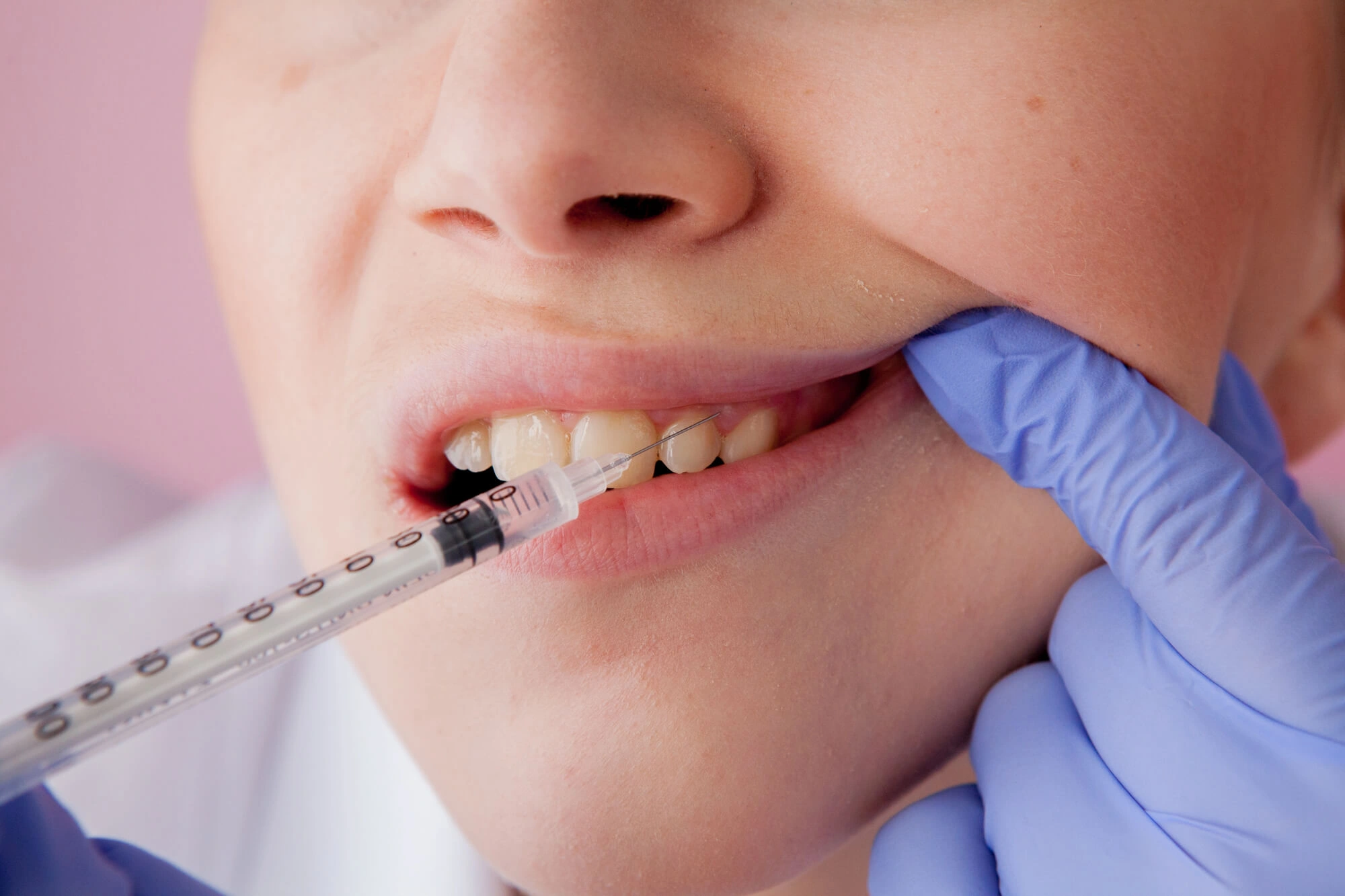
Patients are encouraged to discuss their preferences, concerns, and previous experiences with their dentist. However, the final recommendation depends on several important factors.
Certain medical conditions or medications may affect which forms of sedation are safest for you. Your dentist will carefully review your health history before making recommendations.
A simple filling may only require minimal sedation, while multiple restorations or lengthy treatments may benefit from a deeper level of relaxation.
The duration and complexity of the procedure play an important role in determining the best option.
Someone who feels slightly nervous may only need mild sedation, while a patient with severe dental phobia could benefit from a stronger option.
Being honest about your concerns helps your dentist develop the most comfortable treatment plan possible.
Preparation depends on the type of sedation being used.
Your dental team may provide instructions such as:
Following these instructions helps ensure a safe and successful appointment.
One of the biggest questions patients ask is what sedation actually feels like.
Experiences vary depending on the type used, but many patients report feeling:
Many people are surprised by how quickly their appointment seems to end.
Some patients remember portions of the visit, while others recall very little afterward.
For most healthy patients, sedation dentistry is considered very safe when administered by trained dental professionals.
Before recommending sedation, your dentist will evaluate:
Throughout your procedure, your dental team carefully monitors your comfort and well-being.
Following all pre- and post-treatment instructions also contributes to a safe experience.
The best sedation choice is one that balances comfort, safety, and the type of treatment you need.
During your consultation, consider discussing questions such as:
Understanding your comfort level helps guide the conversation.
Longer appointments may benefit from different sedation options than shorter visits.
Sharing your complete medical history allows your dentist to recommend the safest approach.
Some types of sedation require transportation arrangements after your appointment.
Open communication allows your dentist to tailor treatment specifically to your needs and expectations.
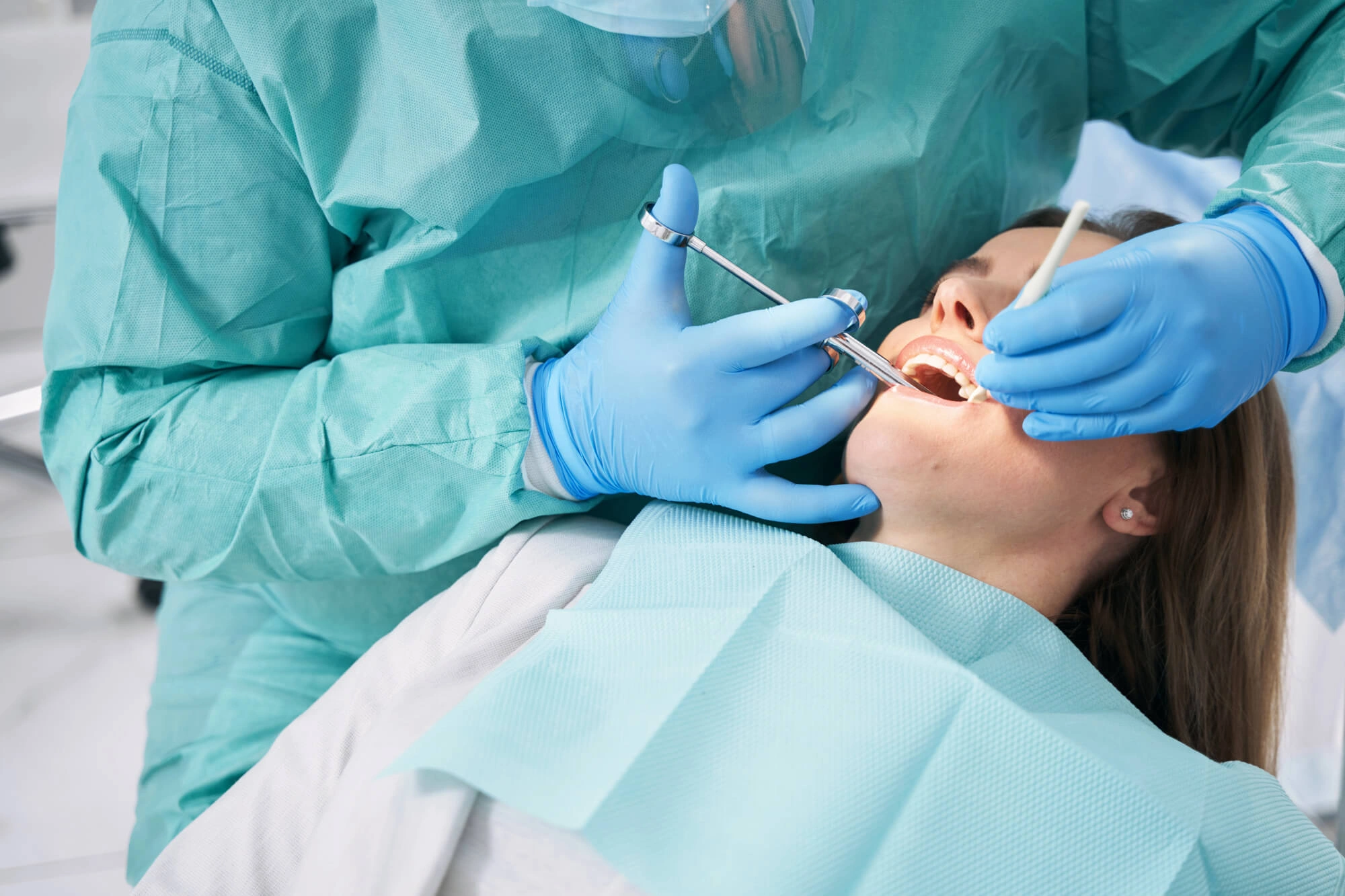
Choosing the right level of sedation begins with a personalized consultation. Whether you experience mild nervousness or significant dental anxiety, there are options designed to help make your visit more comfortable and manageable. By understanding the different levels of sedation and working closely with your dentist, you can feel more confident about receiving the care your smile deserves. The caring team at Atlantic Dental Associates will evaluate your needs, answer your questions, and recommend the safest and most appropriate sedation option for your treatment. Schedule your consultation today and take the first step toward a more relaxed dental experience.

Atlantic Family Dentistry
Enter to win a $300 Buc‑ee’s gift card!
Questions? Ask our team or call (386) 426-2191.
Ways to enter:
Questions? Ask our team or call (386) 426-2191.