


The moment right after whitening, when your smile is at its brightest, is also the moment the clock quietly starts ticking on how long that brightness actually lasts. Getting teeth whitening in New Smyrna Beach, FL, is only half the equation.
What you do in the days, weeks, and months afterward plays a real role in how long those results stick around, and a few practical habits can stretch that timeline considerably. Most patients focus entirely on the treatment itself and give little thought to the maintenance side, which is exactly why results tend to fade faster than expected for anyone who skips this part.
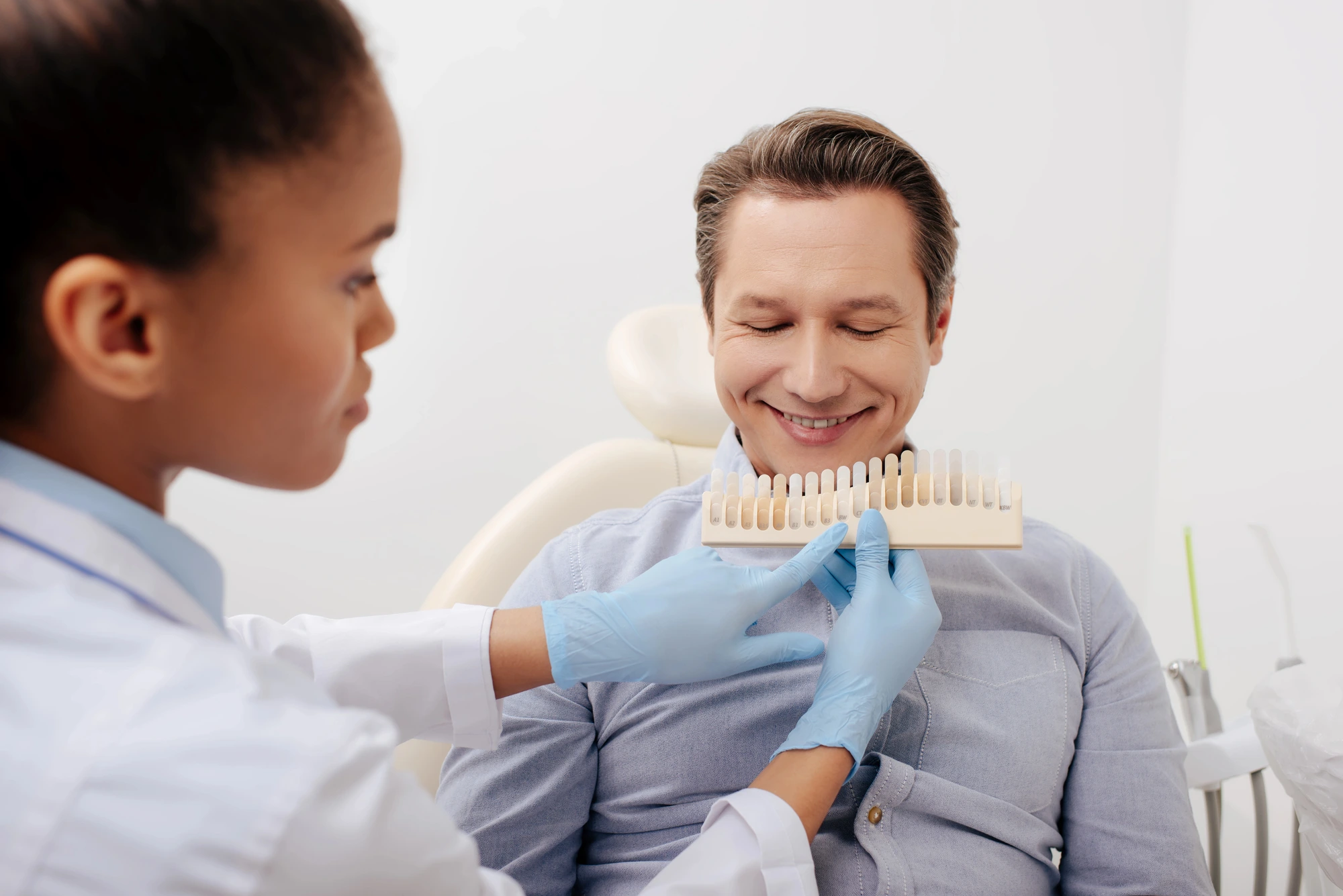
Right after a whitening treatment, enamel is temporarily more porous than usual, which makes it easier for new stains to set in during roughly the first 24 to 48 hours. Beyond that initial window, ordinary daily habits, coffee, tea, red wine, and tobacco gradually reintroduce staining over time, the same way they did before treatment.
This is simply how enamel behaves, not a sign that anything went wrong with the whitening itself. Even patients who are careful can expect some gradual fading over months, since enamel is a living part of the tooth that’s constantly exposed to whatever you eat and drink.
Keeping up with regular dental cleanings also plays a role here, since routine plaque and buildup removal helps prevent some of that gradual dulling between whitening sessions.
A handful of simple habits can meaningfully extend how long your results stay bright:
According to a study published in PMC, the enamel demineralization that occurs immediately after bleaching increases surface roughness and porosity, making teeth more susceptible to staining, specifically in that first 24-hour window.
MouthHealthy, the American Dental Association’s patient resource, also emphasizes that professional whitening, whether performed in-office or through a dentist-provided take-home kit, should always be done under professional guidance to protect both results and tooth health.
Whitening only works on natural tooth enamel. Crowns, veneers, and fillings are made from materials that don’t respond to whitening agents, so they stay exactly the shade they were placed at while the surrounding natural teeth get brighter.
For patients with visible restorations, this can create a noticeable mismatch after whitening, especially for anyone with a front-tooth crown or veneer placed years ago in a shade that matched their teeth at the time.
Depending on the situation, that might mean planning whitening before any new cosmetic dentistry work begins so everything can be shade-matched afterward, or in some cases, replacing an older restoration that no longer blends in with a newly brightened smile.
General guidance is to wait at least 24 to 48 hours before fully returning to dark foods, drinks, or tobacco, giving enamel time to “close back up” and reducing the chance of new staining setting in almost immediately after treatment.
Sticking to lighter-colored foods during this window, things like chicken, rice, or plain yogurt rather than tomato sauce or berries, is a simple way to protect your results while enamel recovers.
After that initial window, staining risk drops significantly, though it never disappears entirely, which is exactly why ongoing habits matter more than a single post-treatment waiting period. If you have other questions specific to your situation, a practice’s office FAQ page can cover a range of additional topics beyond whitening.
Touch-up frequency depends on diet, habits like smoking or regular coffee and wine consumption, and the type of whitening originally performed.
Many patients find that a touch-up every several months to a year keeps results looking consistent, though some with more staining-prone habits may want to plan for touch-ups more often, while others with more conservative diets can often stretch that timeline out further.
Since touch-ups are a recurring part of maintaining your smile, it’s worth planning ahead financially for these visits the same way you would any other routine dental care, rather than treating each touch-up as an unplanned expense.
Sensitivity is one of the most common concerns patients bring up before a touch-up, especially if they experienced it after their first treatment. Mild, temporary sensitivity to hot or cold is a normal response to whitening agents and typically resolves within a day or two after treatment.
If sensitivity was noticeable the first time around, it’s worth mentioning before a touch-up, since adjustments like a lower-concentration whitening agent, a shorter treatment time, or spacing touch-ups further apart can all help make the experience more comfortable without giving up on results.
Patients who use a sensitivity-focused toothpaste in the days leading up to a touch-up often find it helps ease this response as well.

Do crowns, veneers, or fillings whiten along with natural teeth, or do they need separate treatment?
No. Whitening only affects natural tooth enamel, so crowns, veneers, and fillings stay the same shade they were placed at. Patients with visible restorations may need a separate conversation about shade-matching or replacement to keep their smile looking consistent.
How soon after whitening can you eat or drink staining foods again?
It’s generally recommended to wait at least 24 to 48 hours, since enamel is temporarily more porous and susceptible to staining right after treatment. After that window, the risk drops but never fully disappears.
How often should whitening be touched up to maintain results?
It varies by patient, but many people find that a touch-up every several months to a year keeps results consistent. Diet, smoking, and how often you consume staining foods and drinks all play a role in how often touch-ups are needed.
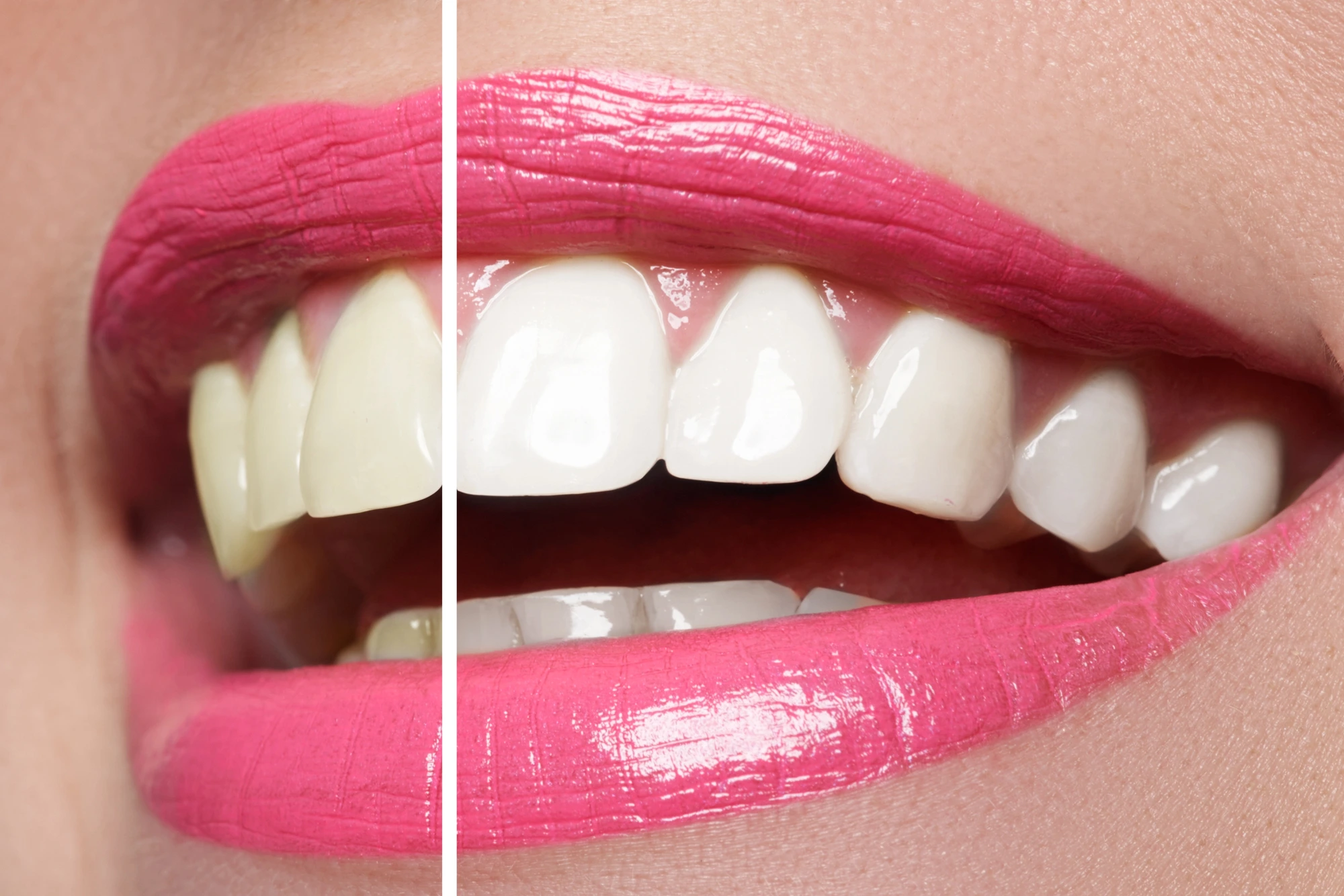
At Atlantic Family Dentistry, we know that a bright smile is easier to maintain than most people expect once you know what actually helps. Contact us today to schedule a whitening treatment or touch-up and keep your results looking their best.

Atlantic Family Dentistry
Enter to win a $300 Buc‑ee’s gift card!
Questions? Ask our team or call (386) 426-2191.
Ways to enter:
Questions? Ask our team or call (386) 426-2191.