


A routine checkup sounds simple. You sit down, someone cleans your teeth, and you leave with a new toothbrush. But a lot happens between “have a seat” and “see you in six months,” and most of it is about finding problems you cannot feel yet.
Understanding what general dentistry in New Smyrna Beach, FL, includes helps you get more out of every visit, and it makes it easier to ask good questions. A thorough, comprehensive dental exam is designed to give you a clear picture of your oral health, not just a clean feeling.

Every good checkup starts with a conversation. Your dentist or hygienist will usually ask about changes to your health, any new medications, and anything you have noticed since your last visit, such as sensitivity, bleeding gums, a sore spot, or a chipped tooth. Even details that seem unrelated can matter, because medications and health conditions can affect your teeth and gums.
This is also your chance to ask questions. If you are visiting a new office, it helps to bring a few things with you:
Even if you brush and floss every day, plaque and tartar build up in places a toothbrush cannot reach. A hygienist removes that buildup, then polishes your teeth. Tartar, which is hardened plaque, cannot be removed at home, and left alone, it contributes to cavities and gum problems.
Cleanings and exams are usually paired in a single preventive visit, so the same appointment that leaves your teeth feeling smooth also helps your dentist spot trouble early. You can learn more about what a professional hygiene visit includes.
During the exam, your dentist checks each tooth and looks closely at your gums, existing dental work, and bite. A comprehensive exam typically looks for signs of:
Most dental problems start quietly. Cavities and early gum disease often do not hurt until they have grown larger, which is why an exam can find them while treatment is still simple and comfortable.
Part of your visit includes a closer look at your gums. A small probe is used to measure the space between each tooth and the surrounding gum tissue.
Shallow measurements and gums that do not bleed are good signs. Deeper spaces, bleeding, tenderness, or gums pulling away from the teeth can point to gum disease. That is one reason a gum check matters even when your teeth feel perfectly fine.
An oral cancer screening is a routine part of a checkup. Your dentist looks at and feels your lips, tongue, cheeks, the floor and roof of your mouth, and your throat for anything unusual.
The American Dental Association’s position on head and neck cancer supports routine visual and tactile examinations for all patients, and notes that early diagnosis of oral cancer can have a significant impact on treatment decisions and outcomes. It takes only a short time, and it is easy to overlook because it is painless.
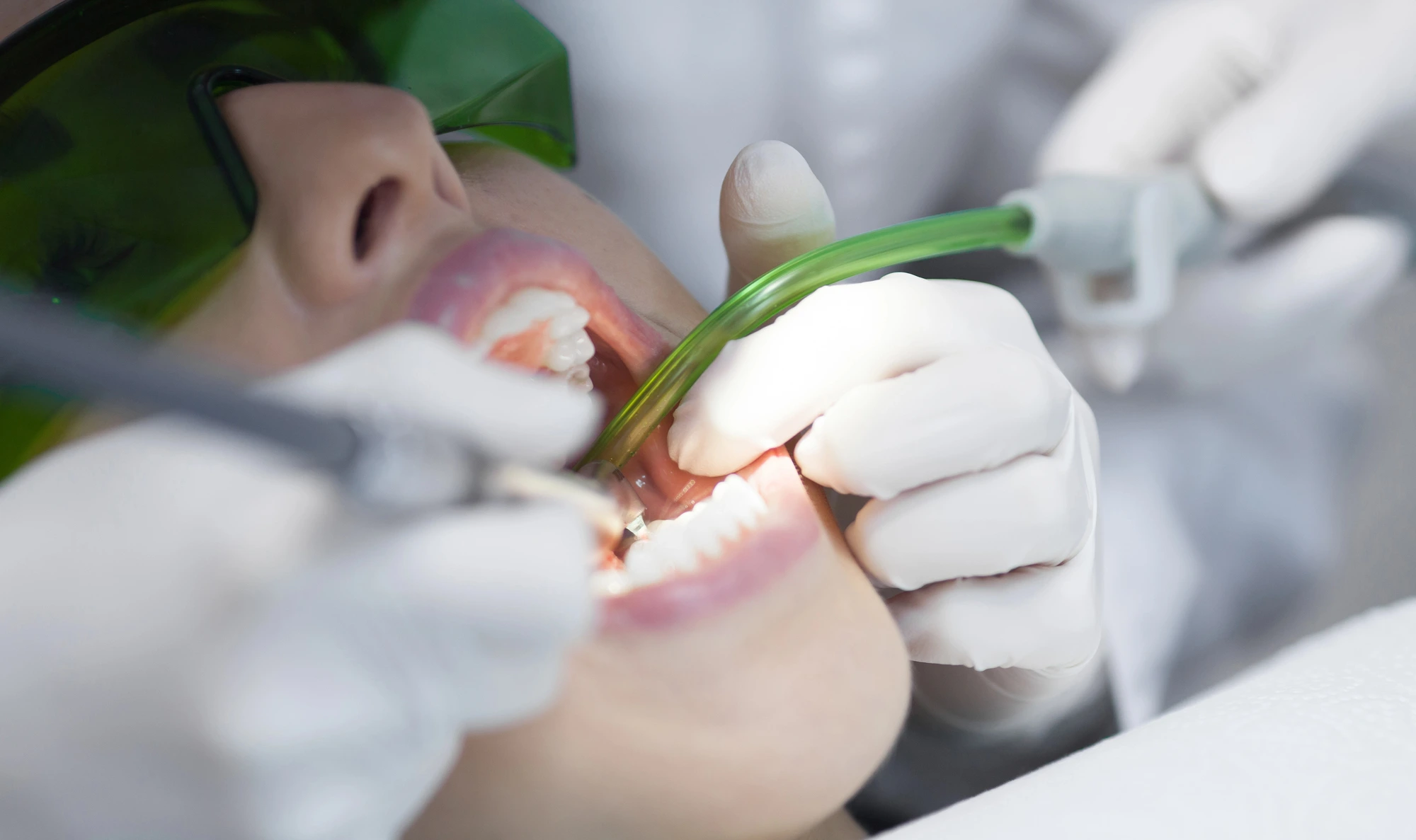
X-rays show what the eye cannot, such as decay between teeth, bone changes, and problems below the gumline. But they are not taken on a fixed schedule for everyone. The ADA explains that how often X-rays are needed depends on factors such as your current oral health and age.
The FDA’s guidance on the selection of patients for dental radiographic examinations makes the same point, stating that recommendations are individualized and subject to clinical judgment, based on the patient’s history and clinical exam. In practice, that means you only get X-rays when they are useful for you.
Many checkups include more than a cleaning and an exam:
If the grooves in your back teeth are deep or you are prone to cavities, ask whether dental sealants make sense for you or your children.
Most patients do well with a checkup and cleaning every six months. People who are prone to cavities or gum disease may benefit from more frequent visits, and your dentist can help you find the schedule that keeps your smile healthiest. For more on timing, read about how often you should really go to the dentist.
A cleaning is done by a hygienist, who removes plaque and tartar and polishes your teeth. An exam is done by your dentist, who checks your teeth, gums, existing dental work, and your mouth and throat for anything unusual, and who reviews X-rays when they are needed. Most routine visits include both.
It depends on your cavity risk. The American Dental Association’s evidence-based guidelines suggest professionally applied fluoride at least every three to six months for adults who are at elevated risk of cavities, while adults at low risk may not need professional fluoride beyond fluoride toothpaste and fluoridated water. Your dentist can tell you which category fits you.
Hyperdontia is the presence of extra teeth beyond the usual number. A dentist can diagnose it during a routine exam, and dental X-rays or CT scans can reveal extra teeth that have not erupted.
Many people with hyperdontia need no treatment, but extra teeth that interfere with oral health or chewing may need to be removed, either by a general dentist or an oral surgeon, depending on how complex the case is.

Our team at Atlantic Family Dentistry welcomes patients of every age, from routine cleanings to complex treatment, all in one office. Schedule your checkup for yourself or your whole family, or call us at (386) 426-2191 and get expert dental care.

Atlantic Family Dentistry
Enter to win a $300 Buc‑ee’s gift card!
Questions? Ask our team or call (386) 426-2191.
Ways to enter:
Questions? Ask our team or call (386) 426-2191.