


Many dental concerns begin with mild symptoms that are easy to dismiss. A little sensitivity, occasional bleeding while brushing, or a tiny chip may not seem urgent. Over time, though, these seemingly minor issues can develop into painful and expensive problems. That’s why visiting a dentist in New Smyrna Beach for regular checkups is one of the best ways to protect your smile.
Preventive care allows your dentist to identify concerns before they worsen. Early treatment is often simpler, less invasive, and more affordable than waiting until discomfort becomes impossible to ignore. Understanding which small problems deserve attention can help you maintain healthy teeth and gums for years to come.

Cavities rarely cause pain during their earliest stages. Tooth decay usually begins by affecting only the outer layer of enamel. As bacteria continue to penetrate deeper into the tooth, the cavity grows larger.
Without treatment, a small cavity may lead to:
Routine dental exams often detect cavities long before symptoms appear.
Many people assume bleeding gums result from brushing too hard. In reality, bleeding gums are often one of the earliest signs of gum disease.
When caught early, gingivitis can usually be reversed with professional cleanings and improved oral hygiene. Left untreated, it may progress into periodontitis, a more advanced condition that damages the bone supporting your teeth.
Occasional sensitivity happens. Persistent discomfort when eating hot, cold, or sweet foods deserves attention.
Sensitivity may indicate:
Early diagnosis allows your dentist to identify the cause before more extensive damage develops.
A chipped tooth may seem like a cosmetic concern, especially if it doesn’t hurt. Even minor damage weakens the tooth’s structure.
Daily chewing places constant pressure on weakened teeth. Small chips can eventually develop into larger fractures that require crowns or even tooth extraction if left untreated.
Persistent bad breath often has an underlying cause beyond food choices.
Chronic bad breath may result from gum disease, untreated cavities, dry mouth, or bacterial buildup on the tongue. Identifying the cause allows your dentist to recommend effective treatment instead of simply masking the odor.
One of the biggest advantages of preventive dentistry is catching concerns before they require complex treatment.
Minor dental issues often involve:
Treating problems early protects both your smile and your budget.
Many dental conditions develop without obvious symptoms. Cavities, gum disease, and even cracked teeth can progress quietly.
Professional exams allow your dentist to monitor changes over time using visual examinations, digital X-rays, and other diagnostic tools. Finding issues before pain develops gives you more treatment options and often leads to better results.

Good home care supports every professional dental visit.
Simple habits that protect your smile include:
Small daily habits often prevent larger dental problems later.
Yes. Small cavities rarely heal on their own. Tooth decay continues to spread until the damaged portion is removed and restored with a filling or other treatment. Addressing a cavity early usually requires a simpler procedure and helps preserve more healthy tooth structure. Waiting often increases the likelihood of needing more extensive treatment, including crowns or root canals.
Bleeding gums often indicate inflammation caused by plaque accumulating near the gumline. Even people who brush daily may miss certain areas or need to improve their flossing routine. A professional dental cleaning removes hardened plaque that brushing cannot eliminate. Your dentist can also recommend techniques to improve your home care and reduce inflammation.
Yes. Some chips only affect the outer enamel, while others create tiny cracks that extend deeper into the tooth. Damage that seems minor can worsen during normal chewing. Having the tooth evaluated allows your dentist to determine whether treatment is necessary and helps reduce the risk of future fractures or infection.
Temporary sensitivity sometimes improves after avoiding very hot or cold foods. Ongoing sensitivity often points to an underlying dental issue that requires professional evaluation. Tooth decay, worn enamel, gum recession, and cracked teeth are common causes of sensitivity. Identifying the exact source allows your dentist to recommend the most effective treatment before additional damage occurs.
Most patients benefit from visiting the dentist every six months for routine exams and professional cleanings. These appointments help detect problems before they become painful or expensive to treat. Some individuals with gum disease, extensive dental work, or certain medical conditions may require more frequent visits, as recommended by their dentist.
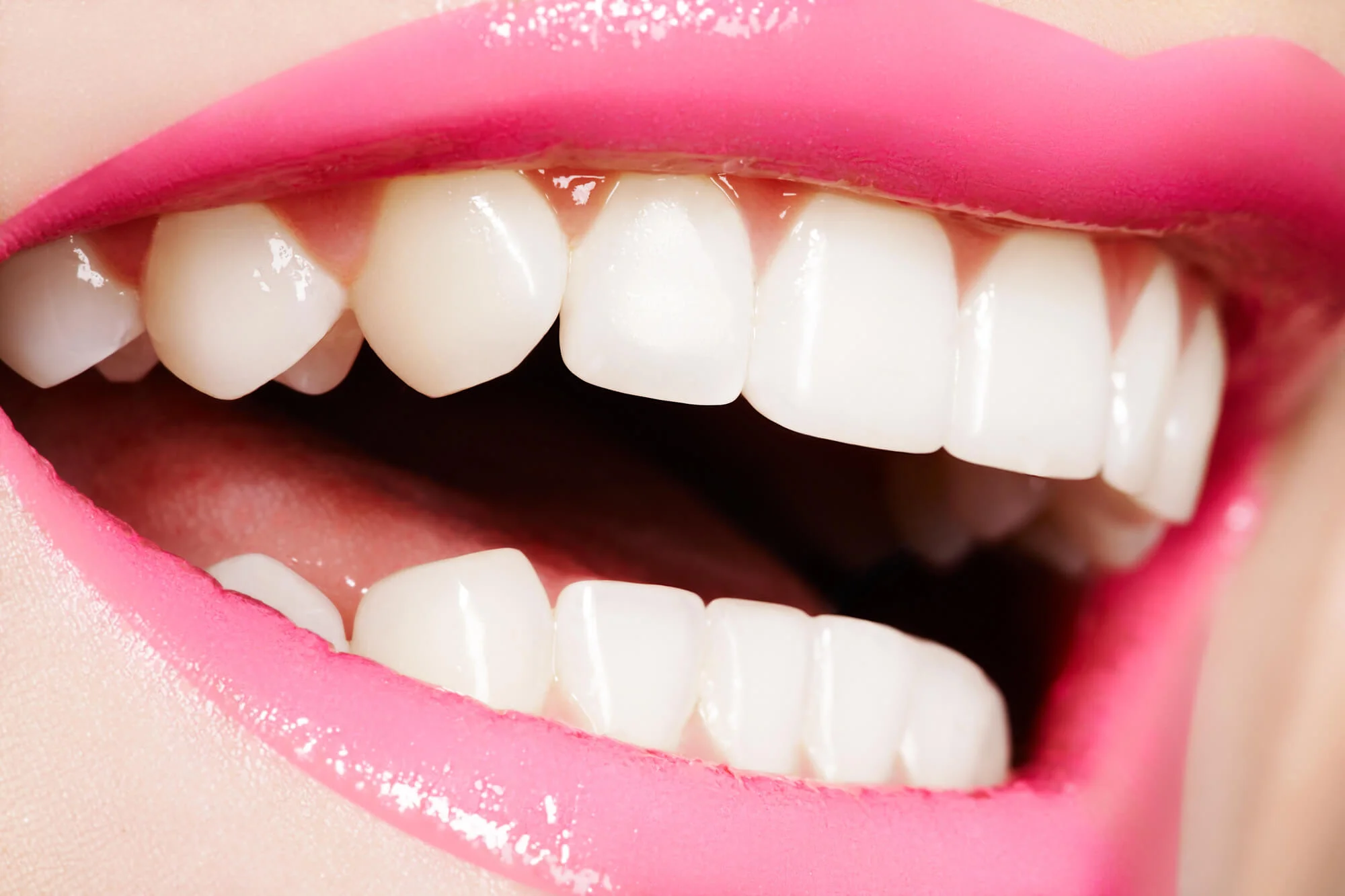
Many serious dental conditions begin as small, painless problems. A tiny cavity, mild sensitivity, bleeding gums, or a small chip may not seem urgent today, but delaying treatment can allow these concerns to grow into more complicated issues. Visiting a dentist in New Smyrna Beach regularly helps detect problems early, preserve your natural teeth, and reduce the need for extensive dental procedures.
If you’ve noticed any changes in your oral health or it’s time for your next checkup, the team at Atlantic Family Dentistry is here to help. They provide comprehensive preventive care, personalized treatment, and compassionate service for patients of all ages. Contact Atlantic Family Dentistry today to schedule your appointment and keep your smile healthy for years to come.