


Most implant content focuses on the surgery itself, but the question patients actually ask more often is what comes after. How long will this really last? What kind of upkeep does it need? And what does it actually cost once everything is said and done?
Anyone considering dental implants in New Smyrna deserves clear answers to all three, not just a walkthrough of the placement procedure, especially since these are often the questions that get glossed over once treatment is already underway.
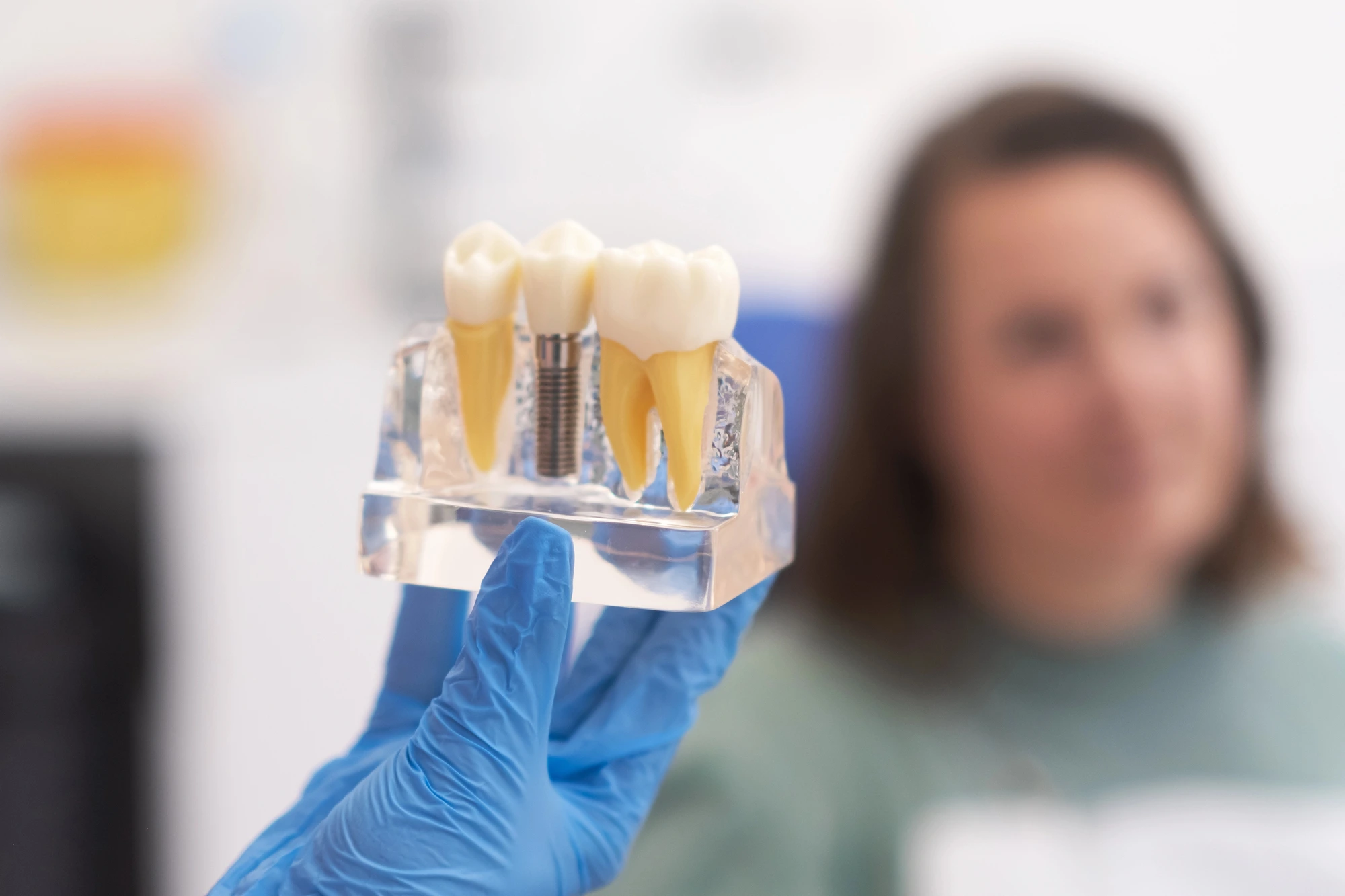
A single-tooth implant is fairly straightforward: one titanium post, topped with one custom crown designed to match your surrounding teeth. Replacing several teeth works differently.
Rather than placing one implant per missing tooth, a few well-positioned implants can support an entire bridge or an implant-retained denture, since the replacement teeth are anchored to a small number of strategically placed posts rather than needing a one-to-one match.
This is part of why the number of implants needed doesn’t scale directly with the number of missing teeth, and it’s also why treatment planning looks meaningfully different depending on whether you’re replacing one tooth or several.
The evaluation process, timeline, and overall investment all shift accordingly, which is why a consultation matters just as much for a full-arch case as it does for a single tooth.
The honest answer depends on which part of the implant you’re asking about. The titanium post itself is designed to last decades, often a lifetime, once it has properly fused with the jawbone. The crown on top typically has a shorter lifespan and may need replacement over the years due to normal wear, similar to how a natural tooth’s enamel wears down over time.
According to MouthHealthy, the American Dental Association’s patient resource, implants are considered one of the biggest advances in dentistry over the past several decades precisely because of how reliably they function as a long-term tooth replacement.
A large-scale study published in Clinical Oral Implants Research, following more than 10,000 implants for up to 22 years, similarly found consistently high long-term survival rates, reinforcing that a well-placed, well-maintained implant is genuinely built for the long haul.
A few factors influence how long an individual implant actually lasts in practice, and most of them are well within a patient’s control:
Day-to-day care for an implant is similar to caring for a natural tooth: brushing, flossing, and keeping up with regular cleanings and checkups. What’s different is what your dentist is specifically watching for at those visits.
A comprehensive exam for an implant patient includes checking the bone level around the implant and evaluating the condition of the crown or abutment, since problems here often develop quietly before they become noticeable day to day.
Skipping these checkups is one of the more common and most preventable reasons implants fail earlier than expected, which is part of why staying on a consistent schedule matters even when everything feels fine.
Before long-term maintenance becomes routine, there’s an initial healing period worth understanding. After the titanium post is placed, it needs time to fuse with the surrounding jawbone through a process called osseointegration, which typically takes a few months, depending on the individual patient and where in the mouth the implant was placed.
During this window, some swelling or mild discomfort in the first few days is normal, and a temporary restoration may be used while the permanent crown is being fabricated.
Rushing this healing period or loading the implant with a permanent crown too soon can affect how well it integrates with the bone, which is exactly why patience during this early phase sets the foundation for the decades of longevity discussed above.
Cost varies significantly depending on whether you’re replacing a single tooth or several, which is exactly why an accurate quote requires a consultation rather than a general estimate.
Factors like the number of implants needed, whether a bridge or denture is involved, and any additional preparation your jawbone might need can all shift the total investment.
What can be said upfront is how payment generally works: major credit cards are normally accepted, financing through CareCredit is available for qualifying patients, and where dental insurance applies, claims are filed as a courtesy to help maximize your benefit.
You can typically review a full breakdown of payment options for your practice before your consultation if you’d like to plan ahead financially.

What’s involved in a single-tooth implant versus replacing several teeth at once?
A single-tooth implant uses one titanium post topped with a custom crown. Replacing several teeth typically uses a smaller number of implants to support a full bridge or implant-retained denture, rather than placing one implant for every missing tooth.
How long does a dental implant typically last before needing any maintenance?
The titanium post is designed to last decades or even a lifetime with proper care, while the crown on top may need replacement over the years due to normal wear. Regular brushing, flossing, and checkups play a major role in how long an implant actually lasts.
What financing or insurance options typically apply to implants?
Financing through CareCredit may be available for qualifying patients, and dental insurance sometimes covers a portion of implant treatment, depending on the plan. Since cost depends on your specific case, an exact figure is best confirmed during a consultation.

At Atlantic Family Dentistry, we know that getting implants is not a decision made lightly. Longevity, maintenance, and cost all become a lot clearer with answers specific to your own situation rather than general averages. Contact us today to schedule a consultation and find out exactly what to expect for your smile.

Atlantic Family Dentistry
Enter to win a $300 Buc‑ee’s gift card!
Questions? Ask our team or call (386) 426-2191.
Ways to enter:
Questions? Ask our team or call (386) 426-2191.