


Tooth pain can be frustrating, especially when you’re not sure what’s causing it. Some dental issues can be treated with a simple filling or routine care, while others require more advanced care. Knowing the difference can help you protect your oral health and avoid more serious complications.
Many patients who visit a root canal specialist in New Smyrna Beach, FL, are surprised to learn that their symptoms have been developing for weeks or even months. A tooth infection often starts small but can progress if left untreated. Understanding the warning signs can help you seek treatment before the problem becomes more severe.
The good news is that modern root canal treatment is designed to relieve discomfort, preserve your natural tooth, and restore your smile. If you’ve been experiencing unusual symptoms, it may be time to take a closer look at what’s happening inside your tooth.

One of the most common signs that a root canal may be necessary is ongoing tooth pain. The discomfort may be constant or come and go throughout the day. Some patients notice pain while chewing, while others experience aching that seems to linger without a clear trigger.
Pain associated with an infected tooth often develops when the tooth’s pulp becomes inflamed or damaged. The pulp contains nerves and blood vessels that help support the tooth. Once infection reaches this area, professional treatment is usually needed.
Not every toothache requires a root canal. Persistent pain should never be ignored, especially if it continues for several days.
Many people experience temporary sensitivity when eating ice cream or drinking hot coffee. A deeper problem may be present when that sensitivity lingers long after the hot or cold item is gone.
If you notice sharp pain or prolonged sensitivity when consuming hot or cold foods and beverages, your tooth’s nerve may be affected. This symptom is often one of the earliest signs of infection within the tooth.
A dental evaluation can help determine whether the issue is related to a cavity, worn enamel, or damage requiring root canal therapy.
Healthy gums should appear firm and pink. Swelling, tenderness, or irritation around a specific tooth may indicate an underlying infection.
Some patients notice a small bump on the gums near the affected tooth. This bump, sometimes called a dental abscess, can develop when bacteria spread beyond the tooth’s root.
Gum swelling should always be evaluated by a dental professional. Prompt treatment may help prevent the infection from spreading further.
A tooth that suddenly appears darker than the surrounding teeth may be experiencing internal damage. Trauma, infection, or reduced blood flow to the tooth can cause discoloration over time.
While whitening treatments may improve some types of staining, discoloration caused by internal damage often requires a different solution.
A darkened tooth combined with pain or sensitivity may indicate that root canal treatment is necessary.
An infected tooth often becomes sensitive to pressure. You may notice discomfort when biting into food, chewing on one side of your mouth, or even gently touching the tooth.
This symptom can occur when inflammation affects the tissues surrounding the tooth’s root.
Pain during chewing should not be dismissed as a minor annoyance. It may indicate that the infection has progressed and requires treatment.
A crack or fracture can create an entry point for bacteria. Once bacteria reach the pulp inside the tooth, infection can develop.
Tooth damage may result from:
Even small cracks can lead to significant problems if they allow bacteria to reach the inner structures of the tooth.
A recurring bump on the gums near a painful tooth often indicates infection. This bump may release fluid or create an unpleasant taste in the mouth.
While symptoms may temporarily improve when drainage occurs, the infection itself remains present and requires professional care.
Ignoring this warning sign can allow the infection to continue damaging surrounding tissues.
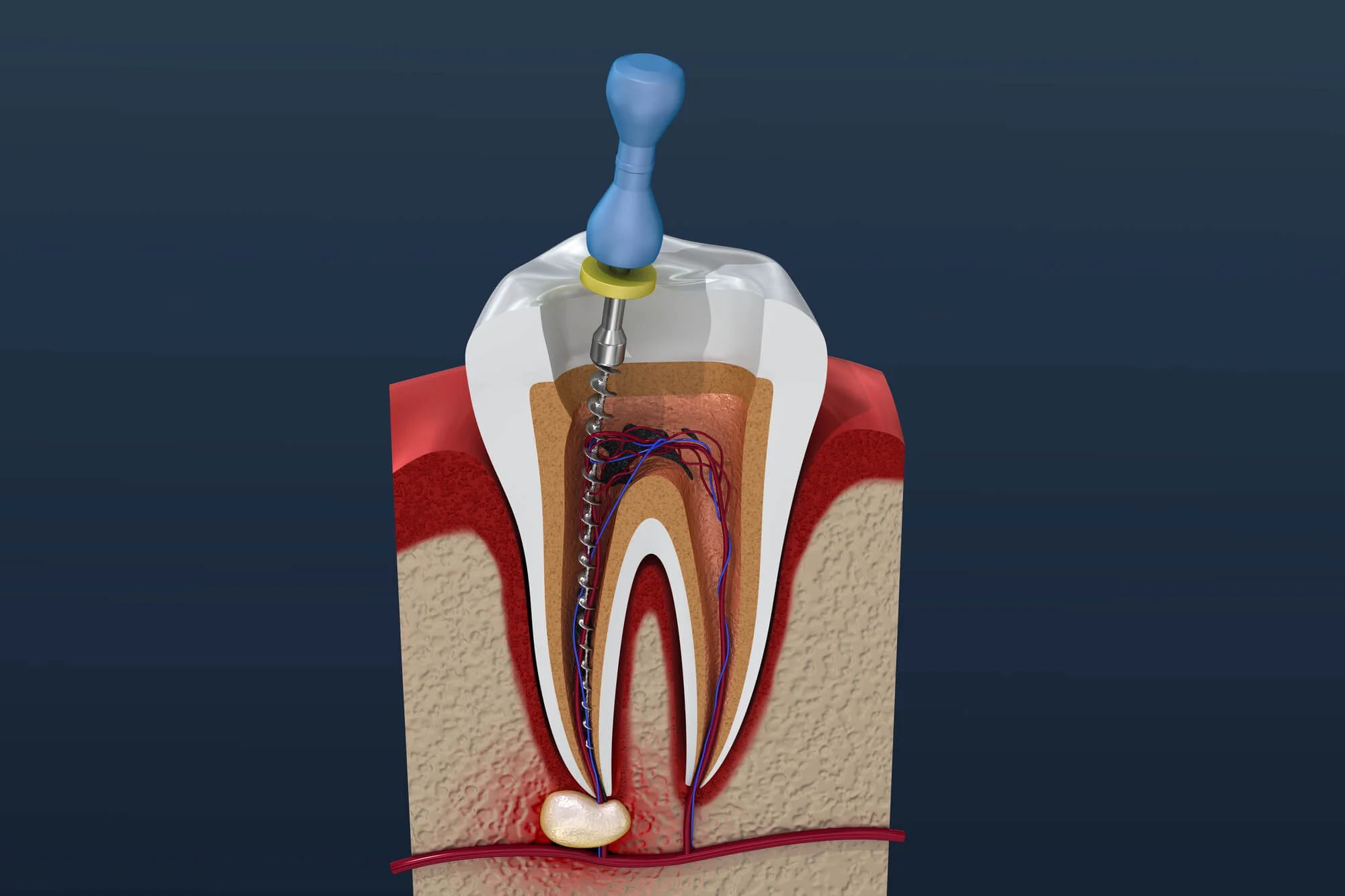
Many patients feel nervous when they hear the words “root canal.” Modern treatment is far more comfortable than its reputation suggests.
The procedure typically involves:
The goal is to eliminate infection while preserving the natural tooth whenever possible.
Most patients report that root canal treatment feels similar to receiving a standard dental filling thanks to modern anesthetics and techniques.
Waiting too long to address an infected tooth can lead to more serious complications.
Potential risks include:
Treating an infection early often results in a simpler, more predictable recovery.
Prompt care also increases the likelihood of saving the natural tooth.
In many cases, yes. Root canal treatment is designed specifically to preserve natural teeth that would otherwise require extraction.
Keeping your natural tooth offers several advantages:
Whenever possible, dentists prefer to save a natural tooth rather than remove it.
Any persistent dental pain deserves attention. Symptoms such as prolonged sensitivity, swelling, discoloration, or pain while chewing should be evaluated promptly.
Early diagnosis can help prevent more extensive damage and improve treatment outcomes. Even if your symptoms seem mild, scheduling an evaluation can provide peace of mind and help identify issues before they worsen.

If you’re experiencing tooth pain, sensitivity, swelling, or other signs of infection, professional evaluation is the best next step. A root canal specialist in New Smyrna Beach, FL, can determine the cause of your symptoms and recommend the most effective treatment to protect your oral health.
At Atlantic Family Dentistry, our team is committed to providing compassionate, comfortable care for patients dealing with tooth pain and dental infections. We focus on preserving your natural smile while helping you feel confident throughout every stage of treatment.
Contact Atlantic Family Dentistry today to schedule an appointment and learn whether root canal treatment may be the right solution for your needs.