


Replacing missing teeth is one of the best ways to protect your oral health, restore your smile, and improve your confidence. If you’re researching dental implants in New Smyrna Beach, FL, you’ve probably also come across bridges and dentures. Each option replaces missing teeth, but they work differently and offer unique benefits. Understanding those differences can help you make an informed decision with your dentist.
The right treatment depends on several factors, including the number of missing teeth, your oral health, your lifestyle, and your long-term goals. Learning how each option compares is the first step toward choosing a solution that fits your needs.
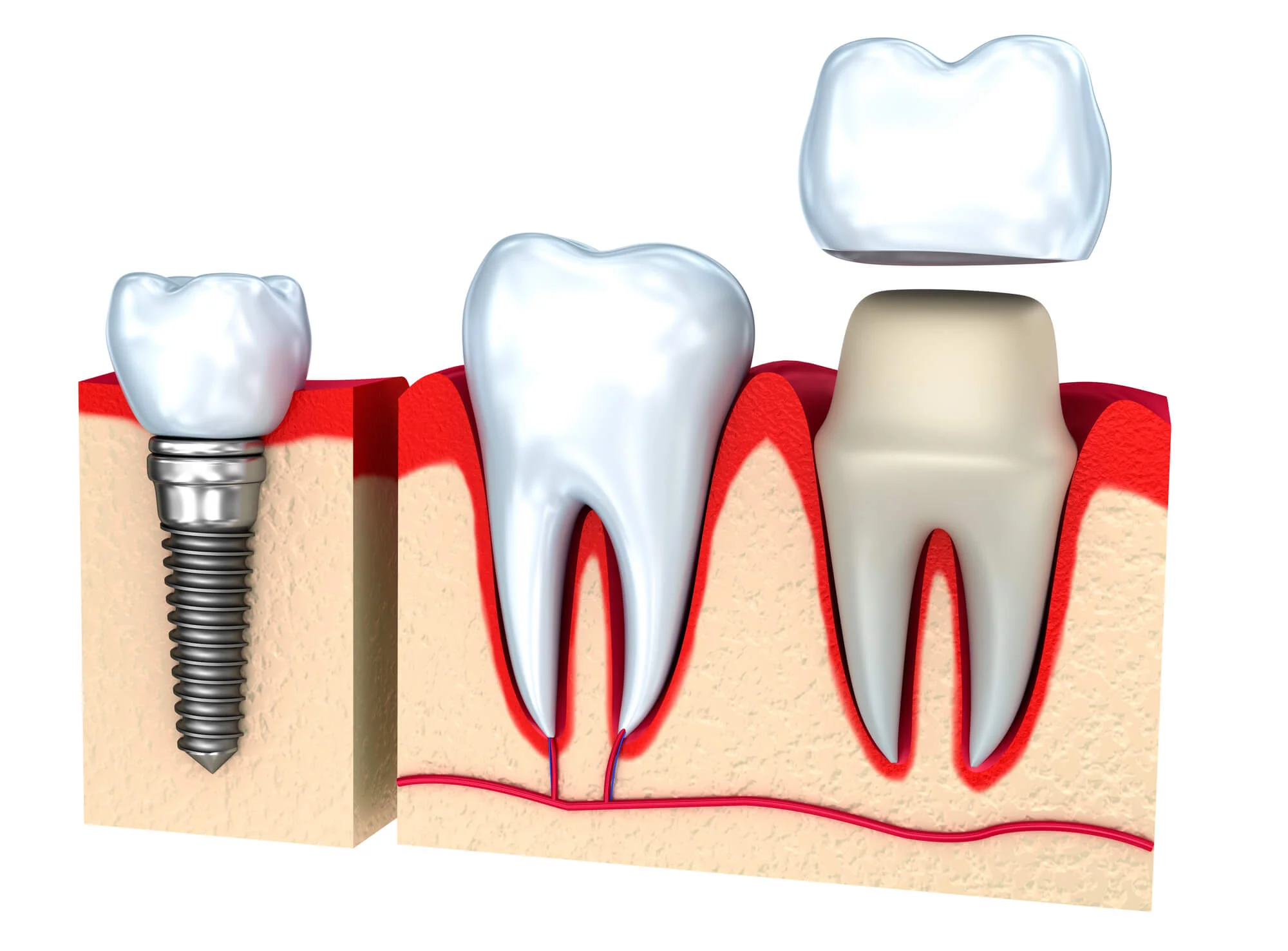
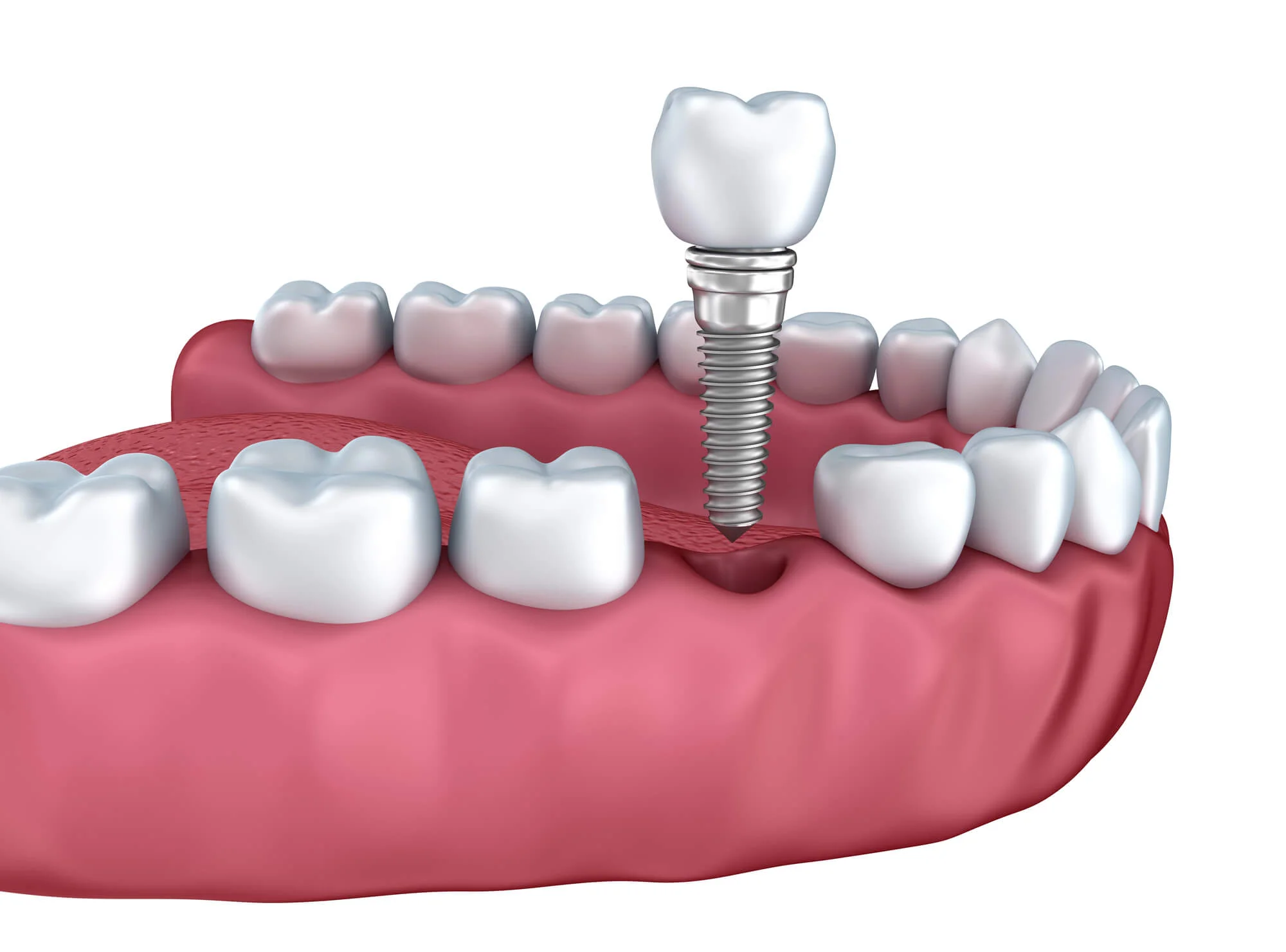
Dental implants replace both the tooth root and the visible crown. A small titanium post is placed into the jawbone, where it gradually fuses with the bone through a natural healing process. Once healed, a custom dental crown is attached to the implant.
Because implants become part of the jaw, they feel stable and function much like natural teeth. They also help stimulate the jawbone, reducing the bone loss that often occurs after losing a tooth.
A dental bridge fills the gap created by one or more missing teeth. It uses neighboring teeth for support by placing crowns on each side of the gap with an artificial tooth in between.
Bridges provide an effective solution for many patients. They restore chewing ability and improve appearance without surgery. However, preparing healthy neighboring teeth is necessary before placing the bridge.
Dentures are removable appliances that replace multiple missing teeth or an entire arch of teeth. Partial dentures replace several teeth, while full dentures restore all teeth in the upper or lower jaw.
Modern dentures are more comfortable and natural-looking than ever before. They remain a practical option for patients missing many teeth or those who may not qualify for implant treatment.
Each tooth replacement option offers advantages depending on your situation.
Dental implants often provide:
Many patients choose treatment based on comfort and confidence.
Dental implants closely resemble natural teeth because they emerge directly from the gums. They don’t move while eating or speaking.
Bridges also provide a natural appearance and remain securely fixed in place.
Dentures have improved significantly in appearance. Still, some patients require time to adjust to wearing and speaking with removable appliances.
Many people compare treatments based on price alone. While cost certainly matters, long-term value deserves equal consideration.
A treatment that lasts many years with minimal maintenance may provide greater value over time than one requiring more frequent replacement or adjustments. Your dentist can explain both the short-term and long-term considerations for your situation.
One of the biggest differences involves longevity.
Dental implants can often last decades when properly maintained. The restoration attached to the implant may eventually need replacement, but the implant itself frequently remains successful for many years.
Bridges generally last 10 to 15 years before replacement may become necessary.
Dentures also require periodic adjustments or replacement because changes in the jawbone gradually affect their fit over time.
No single treatment works for everyone. Your dentist considers several important factors before making a recommendation.
These may include:
Every smile is unique, making personalized treatment planning especially important.
Online research provides helpful information, but it cannot replace a professional dental examination.
Digital X-rays, oral examinations, and discussions about your health allow your dentist to determine which solution offers the greatest chance for long-term success. They can also identify concerns that may affect treatment before they become larger problems.
Many patients find dental implants worthwhile because they provide exceptional stability, preserve jawbone health, and closely mimic natural teeth. Although the initial investment is often higher, implants typically last much longer than bridges or dentures. Your dentist will evaluate your oral health, budget, and treatment goals before recommending the option that offers the greatest long-term value for your individual situation.
In many cases, yes. Even if you’ve lived with missing teeth for several years, dental implants may still be possible. Your dentist will evaluate your jawbone using digital imaging to determine whether enough bone remains to support implants. If bone loss has occurred, procedures such as bone grafting may help prepare the area before implant placement can begin.
Dental implants are cared for much like natural teeth with regular brushing, flossing, and routine dental visits. Bridges also require excellent oral hygiene, especially beneath the artificial tooth. Dentures require daily removal for cleaning and overnight soaking. Your dentist will provide detailed care instructions to help whichever restoration you choose remain healthy, comfortable, and functional for years.

When comparing tooth replacement options, dental implants in New Smyrna Beach, FL often provide the closest experience to having natural teeth again. They offer excellent stability, preserve jawbone health, and deliver long-lasting results that help patients smile, eat, and speak with confidence. While bridges and dentures remain excellent solutions for many individuals, the best choice depends on your unique needs and oral health.
If you’re ready to explore your tooth replacement options, the experienced team at Atlantic Family Dentistry is here to help. We can evaluate your smile, explain all available treatment options, and recommend the solution that best fits your goals. Contact Atlantic Family Dentistry today to schedule your consultation and take the next step toward restoring your healthy, confident smile.