


That filling you got years ago has been through a lot: countless meals, coffee stains, late-night teeth grinding. Like anything that takes daily wear and tear, dental work eventually reaches its limit. The question is: how do you know when yours has?
Knowing the signs and acting on them early is the easiest way to protect your smile through restorative dentistry in New Smyrna Beach.
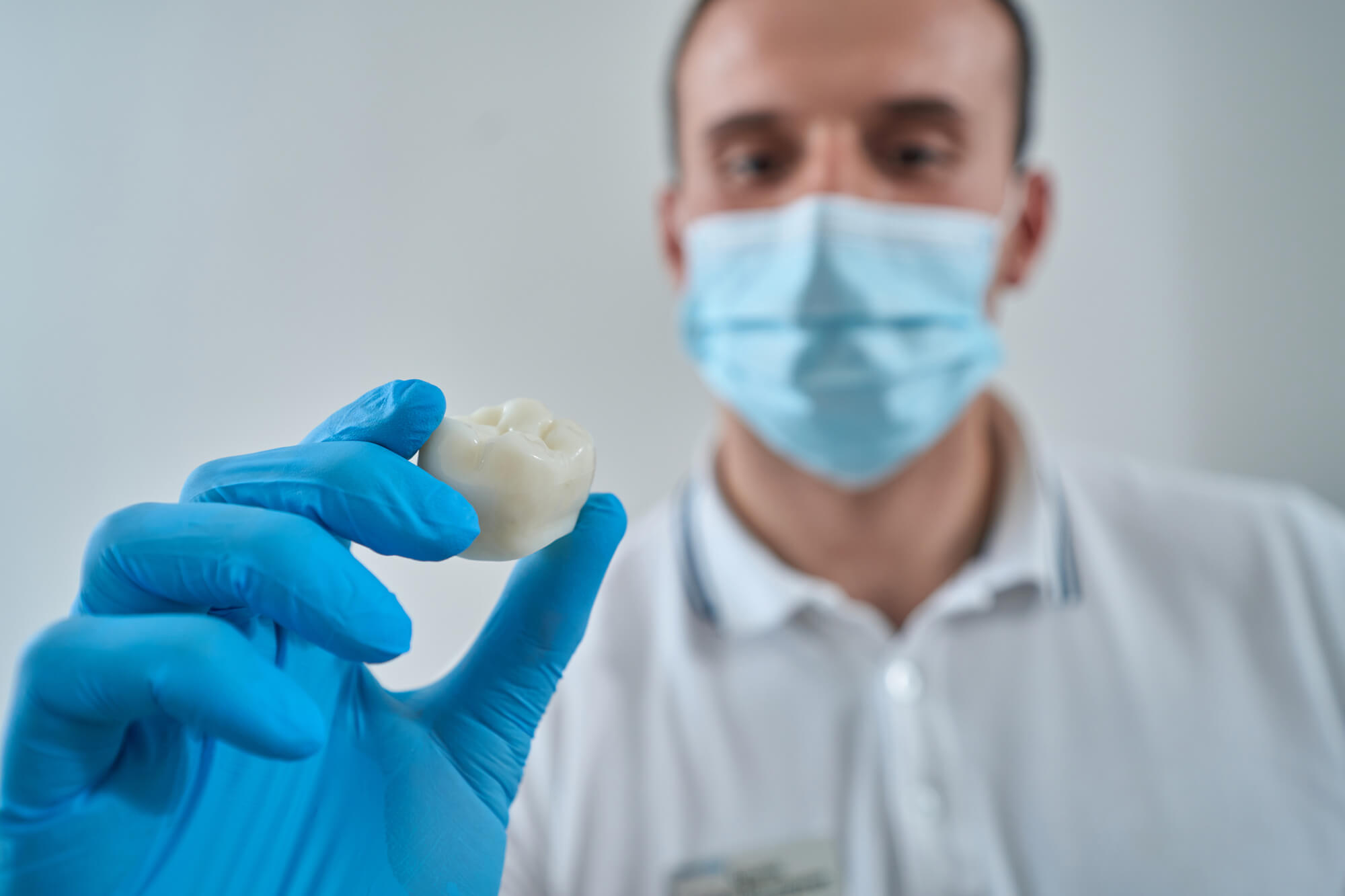
Cracks, chips, or noticeable wear on a filling or crown are often the clearest sign something’s wrong. Even small fractures can let bacteria in and weaken the tooth underneath.
Increased sensitivity near an old restoration often signals that the seal has broken down, exposing the tooth to temperature changes it used to be protected from.
Older fillings or crowns can darken or shift color over time, becoming more noticeable against your natural teeth, especially with materials like amalgam or older composite resins.
Gaps or looseness where a restoration meets the tooth can let bacteria sneak in underneath, raising the risk of decay that isn’t visible from the surface.
If chewing causes pain or discomfort, it could mean the restoration is cracked, loose, or no longer fitting the tooth properly.
Fillings typically last around 10 to 15 years, while crowns can last 15 to 20. The time varies depending on materials and oral habits.
Ignoring a failing restoration can allow decay to spread beneath it, often without obvious symptoms until the damage is significant. Addressing issues promptly helps you avoid more invasive treatments like root canals or extractions, while restoring both function and a natural-looking smile.

If you’re due for a checkup or think an old filling or crown might need attention, exploring restorative dentistry options is a great place to start. Contact our team today and see the right next steps to keep your smile healthy and strong.